THE DAILY FIND UK CURATED DEALS · GENUINE FINDS
Computing

Best Monitor Deals UK 2026

Updated 2026-06-05 · 12 min read

Across 3 months we've tracked 98 monitor 2026 product lines — here's what the price data shows.

3 Months trackedsince March 2026
98 Products tracked
17.8% Typical saving
£619 Average pricelow £59

Plus 98 more product lines tracked, ranging £59–£3299.

We may earn a commission if you buy through links on this page, at no extra cost to you. Our verdicts are based on price history data, not advertiser relationships.

A monitor deal is only worth acting on if the price is genuinely lower than it has been before — not just lower than a retailer's conveniently inflated "was" price. The signals that matter are straightforward: how far the current price sits below the historical average, how many data points back that average up, and whether this is a first-time low or a price the product regularly visits. A 36% discount means very little if the monitor spent most of its life at the "discounted" price. At The Daily Find UK, every verdict badge is tied to real tracked price history, so when something is flagged as a lowest recorded price, that claim is grounded in actual data — not editorial guesswork.

Right now, there are two monitors worth your attention: a curved 24-inch Samsung aimed at budget-conscious buyers and a 32-inch 4K ViewSonic that represents serious value for productivity-focused desks. Both are sitting at their lowest recorded prices. Alongside them, we're featuring three ASUS laptops for buyers whose needs extend beyond a standalone screen. You can browse the full range of active deals on our Computing deals page, and if you want a broader view of what's worth buying across the whole category right now, the Best Computing Deals UK 2026 guide covers everything from peripherals to high-end machines in one place.

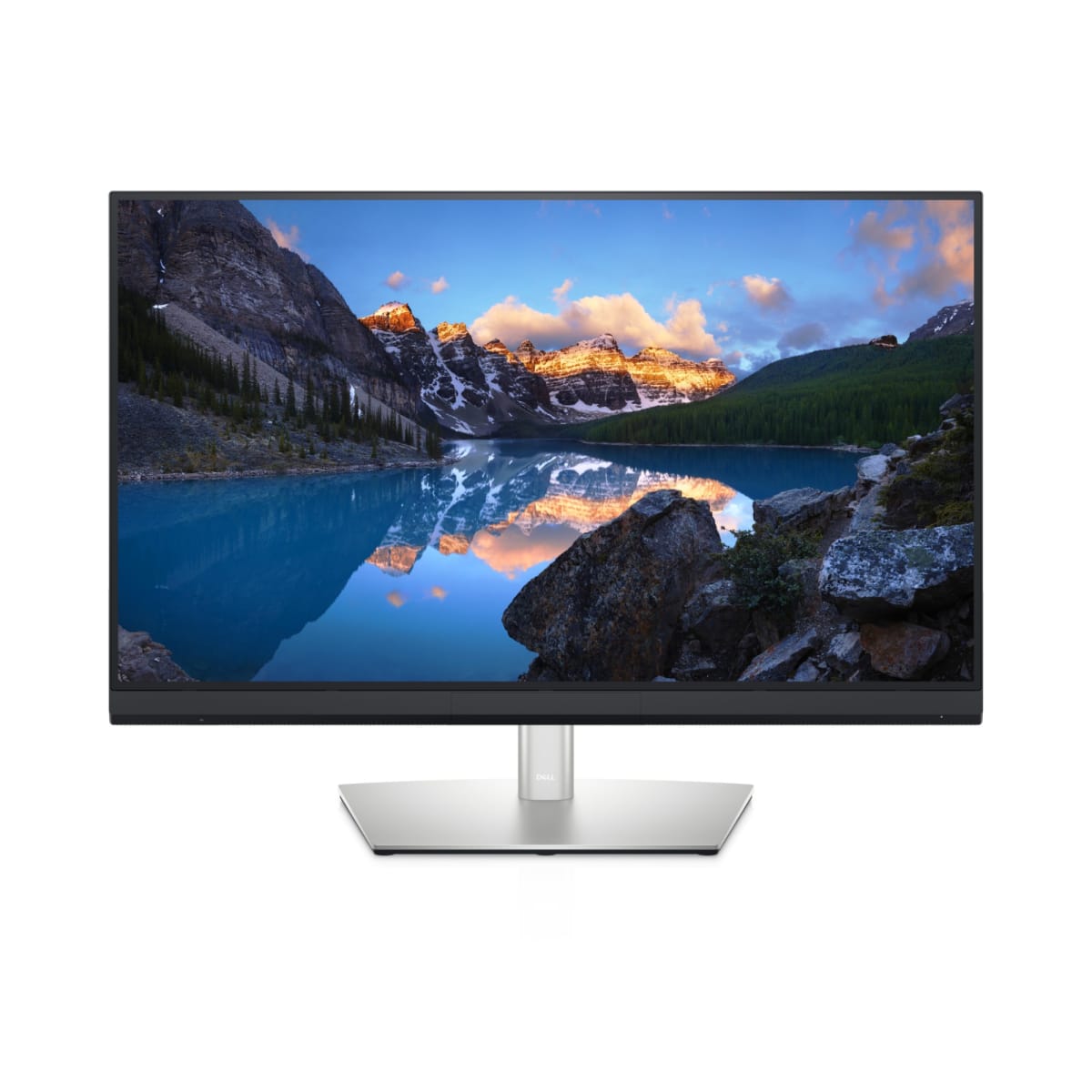
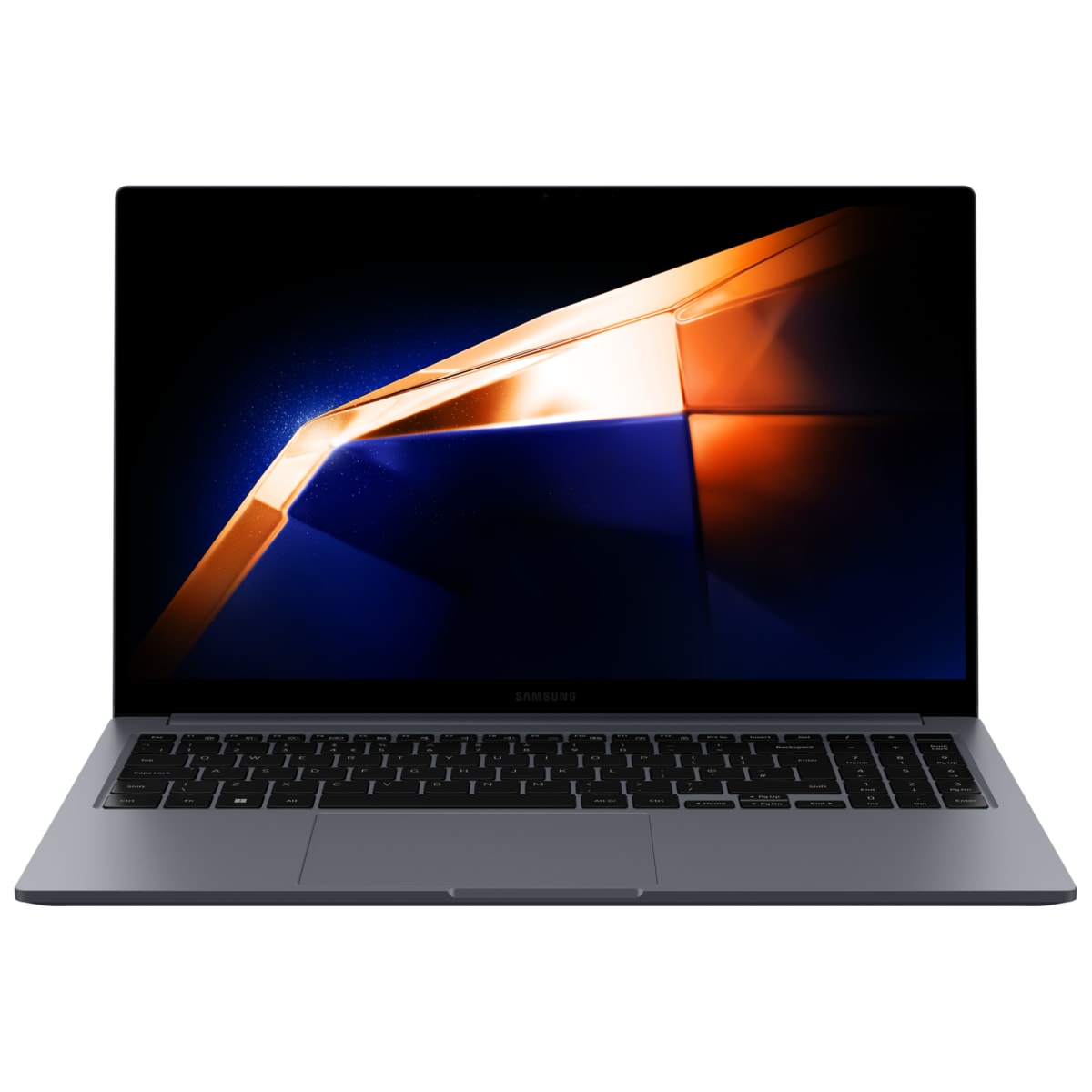
Samsung LS24D360GAUXXU 24" Full HD 75Hz AMD FreeSync Curved LED Monitor

Samsung LS24D360GAUXXU 24
£99.00£129.99save £31 (24%)Lowest price we’ve trackedView deal →

The Samsung LS24D360GAUXXU is a 24-inch curved Full HD monitor with a 75Hz refresh rate, AMD FreeSync support, and a dedicated Game Mode that reduces input-heavy processing to sharpen responsiveness during fast-paced titles. Its 1800R curve is subtle enough that it works equally well for everyday document work and casual gaming without the distortion that deeper curves can introduce on smaller panels. This is a monitor aimed squarely at first-time buyers, students, or anyone setting up a secondary workstation on a tight budget. The honest caveat is that 75Hz and 1080p are entry-level specifications in 2026 — if you're running a mid-to-high-end GPU or play competitive titles where frame rates regularly exceed 100fps, this panel will become a bottleneck faster than you'd like. At £99.00 against an average tracked price of £99.00 across 80 data points, this is the lowest recorded price for this model, and for the use case it serves, it represents straightforward value worth acting on now.

ViewSonic VG3208-4K 32" 4K Ultra HD Height Adjustable Monitor

ViewSonic VG3208-4K 32
£165.00£258.00save £93 (36%)Lowest price we’ve trackedView deal →

The ViewSonic VG3208-4K stands out in this price range not just for its 4K Ultra HD resolution on a 32-inch panel — a combination that delivers noticeably sharper text and detail density than 1080p at the same size — but for the inclusion of a fully height-adjustable stand, which is a feature that typically only appears on monitors costing significantly more. For remote workers, designers, or anyone spending long hours at a desk, the ergonomic flexibility here is practical rather than cosmetic. It suits buyers who want a single large-format display that handles both detailed creative work and general productivity without requiring a separate monitor arm. The caveat is that this panel has a 60Hz refresh rate and is not positioned as a gaming monitor, so buyers after high frame-rate performance will need to look elsewhere. Tracked across 44 data points at a current and average price of £165.00, this is its lowest recorded price, and the 36% reduction from £258.00 reflects genuine movement — at under £170 for a 32-inch 4K display with proper ergonomics, this is the stronger of the two monitor deals featured here right now.

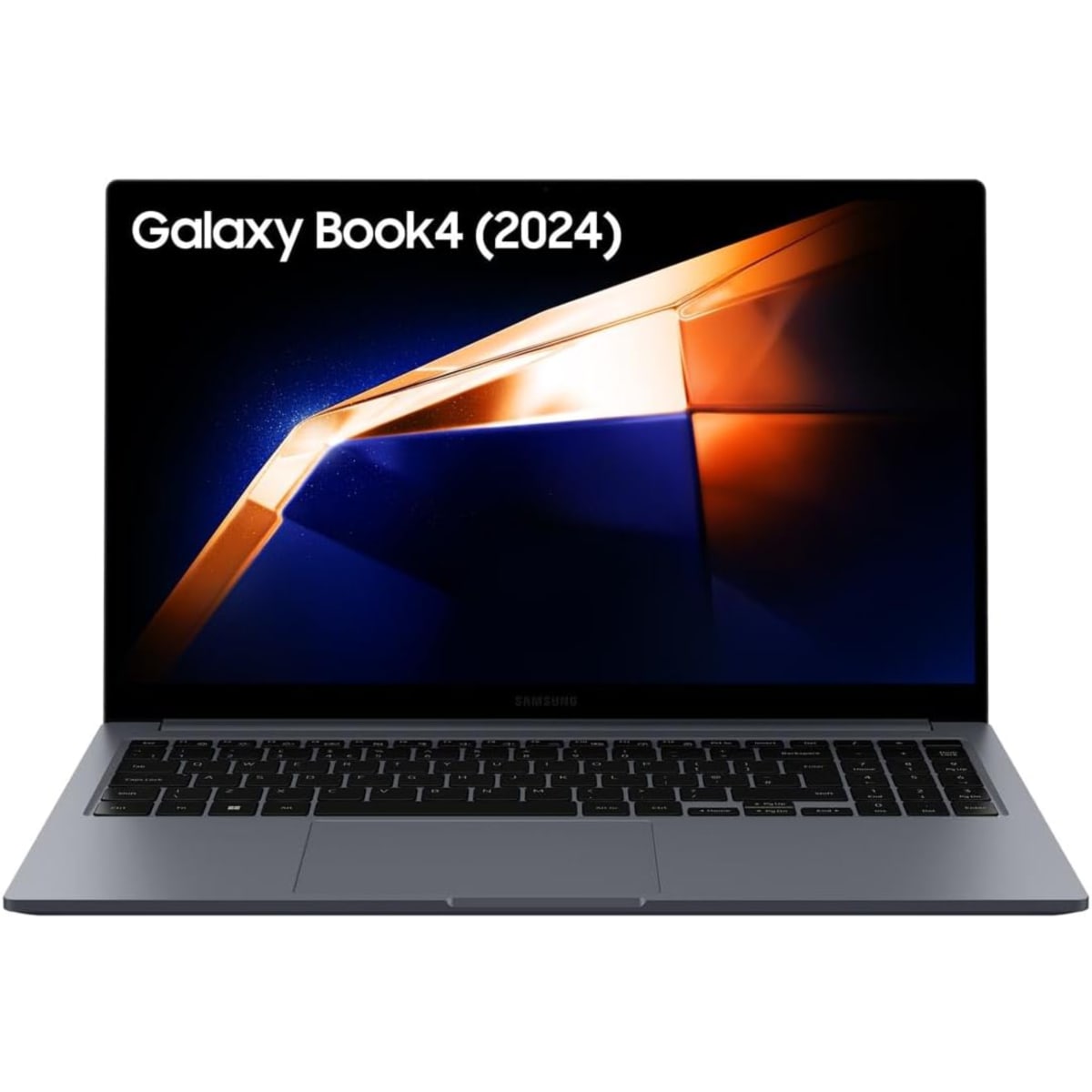
ASUS ZenBook S 14 UX5406SA-PZ228W Intel Core Ultra 7 256V 16GB RAM 1TB SSD

ASUS ZenBook S 14 UX5406SA-PZ228W Intel Core Ultra 7 256V 16GB RAM 1TB SSD 14
£1249.99£1499.99save £250 (17%)View deal →

The ZenBook S 14 is built around Intel's Core Ultra 7 256V, a chip specifically designed for thin-and-light machines where efficiency matters as much as raw performance, and pairs it with a 3K touchscreen that delivers noticeably more detail than a standard 1080p panel at this size. The combination of 16GB RAM and a 1TB SSD positions it well for users who multitask heavily or work with large files without needing discrete GPU performance. It suits professionals who travel frequently and want a portable machine that doesn't compromise on display quality or build. The caveat is that the Core Ultra 256V prioritises efficiency over peak performance, so sustained heavy workloads like video rendering will be slower than on machines with more thermally unconstrained processors. At £1,099.99 — the lowest recorded price across 332 data points, against a near-identical average of £1,100.91 — this is worth considering if you've been watching this model.

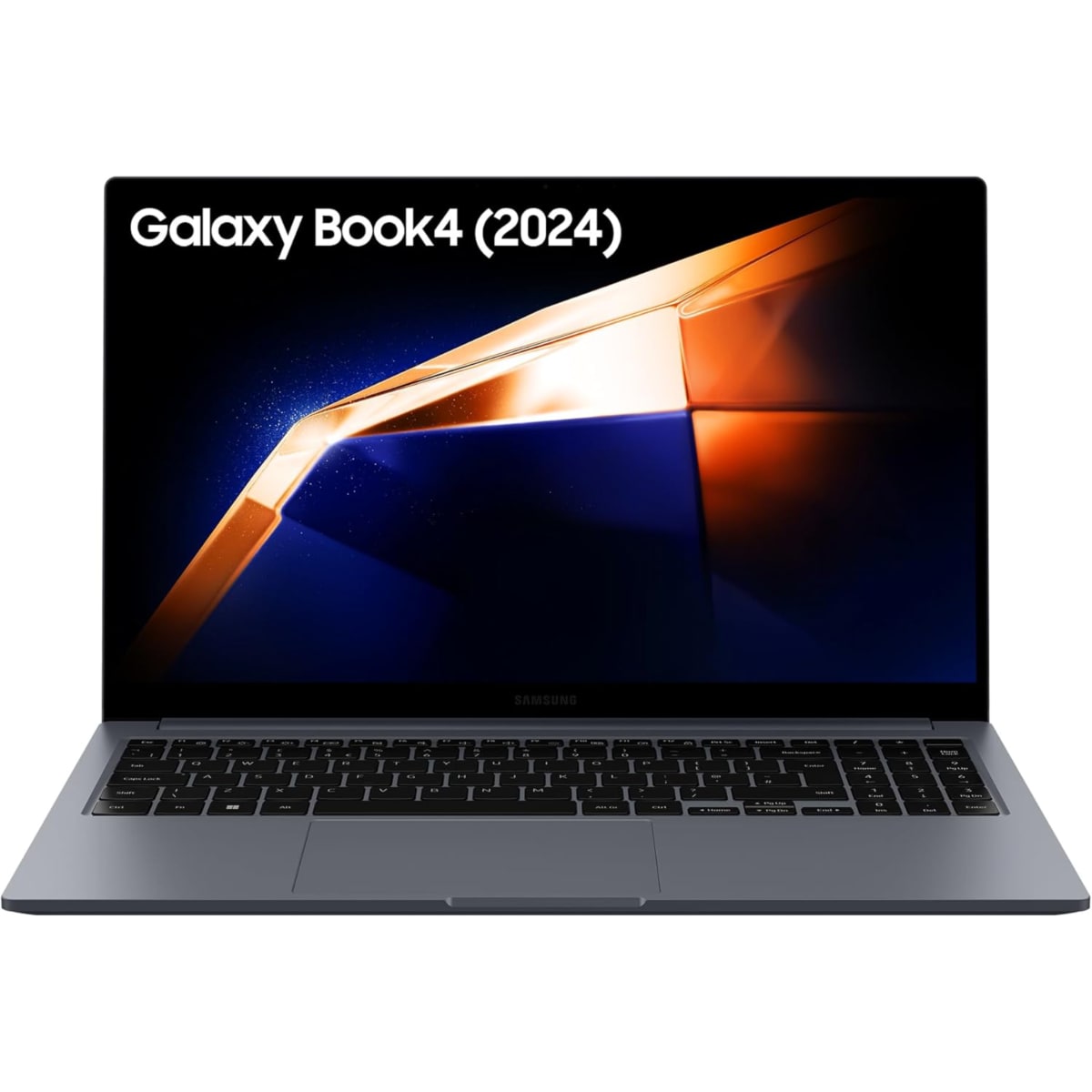
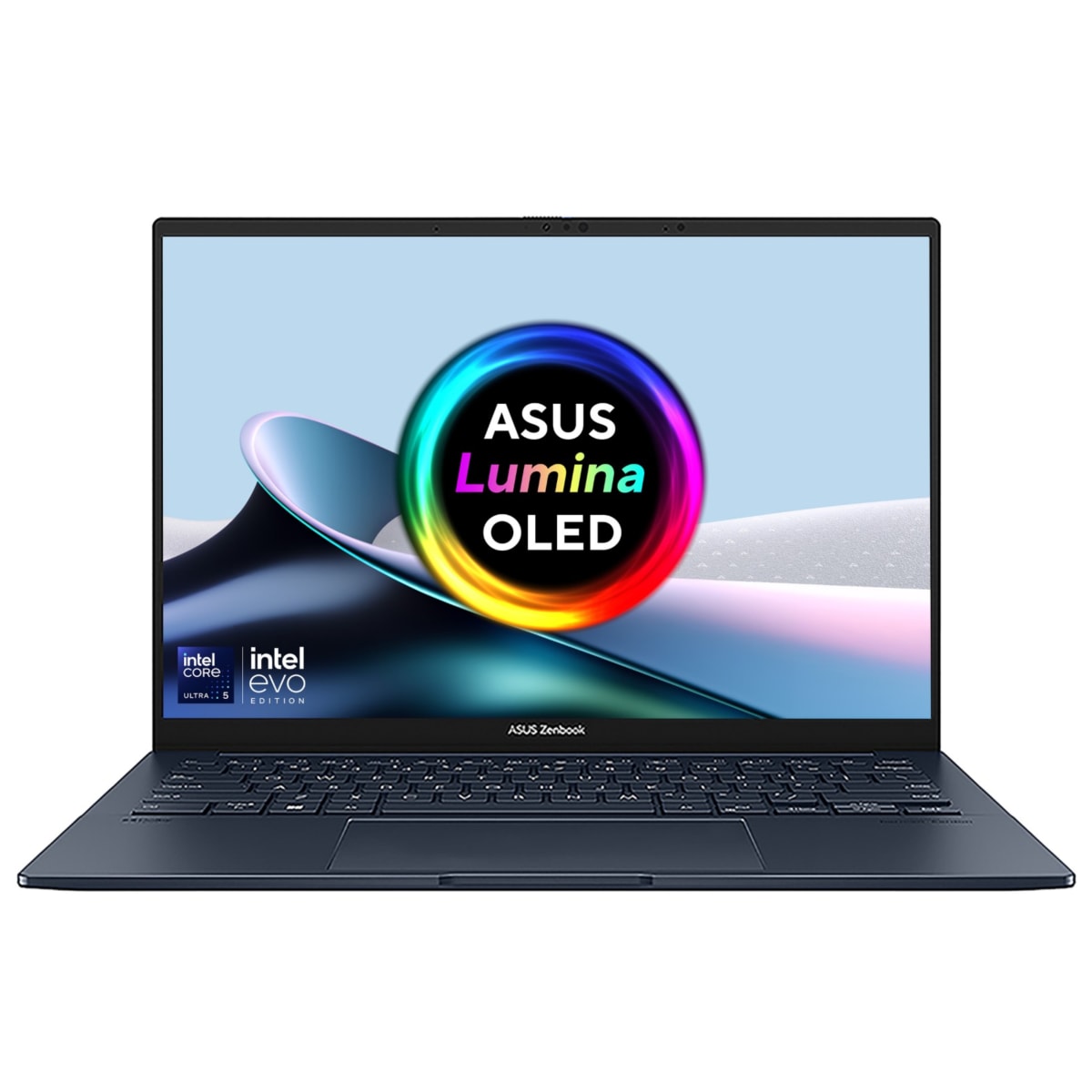
ASUS Zenbook 14 OLED UX3405CA Intel Core Ultra 9 285H 32GB RAM 1TB SSD

ASUS Zenbook 14 OLED UX3405CA Intel Core Ultra 9 285H 32GB RAM 1TB SSD 14
£1129.99£1399.99save £270 (19%)Lowest price we’ve trackedView deal →

The Zenbook 14 OLED distinguishes itself with an OLED panel — which produces deeper blacks and more accurate colour than the IPS and LCD displays common at this price point — backed by a Core Ultra 9 285H processor that offers considerably more sustained performance than efficiency-focused chips. With 32GB of RAM, this machine handles demanding creative workloads, large browser sessions, and professional applications without compromise. It's a strong match for designers, developers, or content creators who want a portable all-rounder with a display that genuinely rewards the work being done on it. The caveat is that OLED panels can exhibit burn-in over time with static interface elements, which is a real consideration for anyone using fixed taskbars or dashboards for long periods. At £1,129.99 — the lowest and average recorded price across 212 data points — this is currently at its floor, and the OLED display advantage over the ZenBook S 14 makes it worth the marginal additional cost for display-sensitive users.

ASUS Zenbook Duo UX8406CA Intel Core Ultra 9 285H 32GB RAM 2TB SSD

ASUS Zenbook Duo UX8406CA Intel Core Ultra 9 285H 32GB RAM 2TB SSD 14
£1798.99£2099.99save £301 (14%)Lowest price we’ve trackedView deal →

The Zenbook Duo takes a genuinely different approach with its dual-screen design — a primary 14-inch touchscreen paired with a secondary display above the keyboard, creating a portable two-monitor setup without requiring an external screen. For users who regularly reference documents alongside active work, monitor traders, or anyone who finds constant window-switching a genuine productivity drain, the second screen solves a real problem rather than adding novelty. The 2TB SSD and Core Ultra 9 285H ensure the hardware keeps pace with the ambition of the design. The honest caveat is that the form factor adds weight and complexity, and if you rarely use more than one window at a time, you'd be paying a significant premium for a feature you won't use. At £1,798.99 — the lowest recorded price against an average of £1,799.80 across 146 data points — the price is at its floor, but this is very much a purchase for a specific type of power user rather than a general recommendation.

Is Now a Good Time to Buy?

For both monitors featured here, the data gives a clear answer: yes. The Samsung curved display and the ViewSonic 4K are each sitting at their lowest recorded prices, and with relatively modest data point counts of 80 and 44 respectively, these aren't models with long, volatile pricing histories — what you're seeing reflects the actual market price right now. Monitor pricing in the UK typically sees its sharpest drops during Black Friday in late November, Amazon's Prime Day in July, and the Amazon Spring Sale in March. Outside those windows, meaningful discounts on monitors tend to be event-driven rather than gradual, which means waiting without a specific sale on the horizon is often a losing strategy when a model is already at its floor.

The Daily Find UK tracks prices continuously across retailers, which means you can see whether a "sale" price is genuinely new or simply a return to a price the product held for months. For both monitors currently featured, the current price matches the tracked average — there is no evidence of artificial inflation before a discount. If neither model suits your needs and you're holding out for something specific, set a price alert and wait for Black Friday, which historically produces the deepest monitor discounts of the year. For anyone whose requirements are met by what's listed here, acting now is rational.

What to Look For in a Monitor

At the sub-£150 tier, resolution and refresh rate are the two specifications that will most directly affect your daily experience, and the honest trade-off is that you rarely get both at a high level. A 75Hz 1080p panel like the Samsung is adequate for general use and light gaming but will show its limits quickly if your GPU can push higher frame rates or if you work with detailed visual content. At the £150–£300 tier, the step up to 4K at 32 inches — as with the ViewSonic — is a meaningful one for productivity, because the increased pixel density makes text sharper and reduces the need to zoom in on detailed work. What matters less than marketing suggests at this tier is peak brightness figures quoted in nits, which are often measured under conditions that don't reflect typical office or home use.

The most common mistake buyers make is prioritising screen size over pixel density, ending up with a large 1080p panel where individual pixels are visible at normal viewing distances. A 27-inch 1080p monitor looks noticeably softer than a 24-inch equivalent because the same number of pixels are spread across a larger area. Panel type also matters more than refresh rate for most users: IPS panels offer better colour accuracy and viewing angles than VA or TN alternatives, while VA panels offer deeper contrast that suits darker environments. Unless you are specifically gaming at high frame rates, a 60Hz or 75Hz IPS or VA panel at the right resolution will serve most buyers better than a 144Hz TN panel with a compromised image at rest.

Related Guides

If your setup requires a new laptop to pair with a monitor, or you're weighing up whether a standalone display or an all-in-one portable machine better suits your workflow, our Best Laptop Deals UK guide covers the leading models currently tracked with full price history, including several ASUS machines that appear in both guides. For a complete picture of what's worth buying across computing right now — from monitors through to laptops and accessories — the Best Computing Deals UK 2026 guide provides the broader category context.

Who Should Look Elsewhere

If your primary use is competitive gaming at high frame rates, neither monitor featured here will satisfy you for long — the Samsung tops out at 75Hz and the ViewSonic is not designed with gaming in mind at all. You would be better served by a dedicated 144Hz or 165Hz IPS gaming monitor, several of which appear in the broader Computing deals listing when they hit meaningful price lows. Similarly, colour-critical professionals — photographers editing for print, video colourists working to broadcast standards — should look at panels with factory calibration and wide colour gamut coverage rather than either model here, where colour accuracy is competent but not the design priority. And if your budget is genuinely flexible above £300 for a monitor, the price-to-feature ratio improves significantly at that tier with OLED and high-refresh-rate IPS options that are worth waiting for when tracked prices fall.

Conclusion

Of everything featured here, the ViewSonic VG3208-4K at £165.00 represents the strongest straightforward value right now — 32 inches of 4K resolution with a height-adjustable stand at a price that undercuts most comparable panels by a meaningful margin, sitting at its lowest recorded price. It's the kind of purchase that looks reasonable in context and even more so once you've checked the data. For anyone whose buying decision extends to laptops or broader computing hardware, the full picture is available on our Computing deals page and through the Best Computing Deals UK 2026 guide, where every featured product carries the same price history backing as the deals listed here.

Frequently Asked Questions

The VG3208-4K features a full ergonomic stand that includes height adjustment, tilt, swivel, and pivot (90-degree rotation for portrait mode), making it one of the more flexible mounting options in this price bracket. At £165, this level of ergonomic adjustment is typically found on monitors costing significantly more, so it's worth factoring in if you're comparing it against a fixed-stand alternative. If you're planning to wall-mount it instead, note that it is VESA compatible, so the stand ergonomics become less relevant to your decision.

For productivity tasks like document editing, spreadsheets, and web browsing, the OLED panel on the UX3405CA delivers noticeably superior contrast and black levels, which reduces eye strain over long sessions — but the ZenBook S 14's 3K IPS display offers more consistent brightness uniformity across the full panel, which matters when working with colour-critical files. The OLED's risk of burn-in is a real consideration if you keep static toolbars or taskbars on screen for hours daily, whereas the 3K IPS panel has no such limitation. If your workflow is text-heavy and you rarely do image work, the OLED's richer display is a genuine upgrade; if you edit photos or use static UI layouts all day, the 3K panel is the more practical choice.

At 24 inches, the curvature (1800R on this Samsung model) provides a modest but real benefit in terms of edge-to-edge viewing consistency when sitting close to the screen, typically within 60–70cm — the curve keeps the side edges closer to equidistant from your eyes than a flat panel would. However, the effect is considerably more pronounced on 27-inch and 32-inch screens, and most users switching from a flat 24-inch monitor will notice it mainly during full-screen gaming or video rather than windowed productivity use. Game Mode on this panel reduces input lag processing, which is the more practically impactful feature for a 75Hz display used for fast-paced titles.

The Zenbook Duo's second screen (the ScreenPad Plus) is a full 12.7-inch OLED touchscreen with its own independent resolution and touch support, not a stripped-back status bar or shortcut strip. Both screens support touch and stylus input, and you can run separate full applications on each display simultaneously, effectively giving you a dual-monitor setup in a portable form. The trade-off is battery life, as running both OLED panels under load draws considerably more power than a single-screen 14-inch laptop, so expect real-world battery endurance to be shorter than the spec sheet suggests if you're actively using both panels.

Both the Samsung LS24D360GAUXXU at £99.00 and the ViewSonic VG3208-4K at £165.00 are at their lowest ever recorded prices based on the available price history data, with 80 and 44 data points respectively confirming this. Neither monitor has dipped below these prices before in the tracked period, so there is no historical precedent suggesting you should wait for a further drop. Buying either monitor now means you are genuinely at the floor price, not partway through a gradual decline.

The ZenBook S 14 UX5406SA is currently priced at £1,099.99, which is also its lowest ever recorded price across 332 data points. Its average historical price is £1,100.91, meaning the current price is essentially at the historical average, not dramatically below it — the 27% discount figure reflects the reduction from its original RRP, not a sudden drop from a higher recent price. This means the price has been fairly stable and hasn't previously spiked high before falling, so the 'deal' framing is relative to launch pricing rather than a temporary promotional cut below a typical trading price.

The Zenbook 14 OLED UX3405CA at £1,129.99 is at its lowest ever recorded price, matching its historical average of exactly £1,129.99 across 212 data points. Because the average and the lowest price are identical, the model has traded at this price consistently and has never been recorded below it — suggesting this is its established market price rather than a short-term discount. There is no price history evidence of a lower floor to wait for, so delaying purchase in anticipation of a further reduction is not supported by the data.

Yes, the Zenbook Duo UX8406CA at 14% off carries the smallest percentage discount of all five products in this roundup. Its current price of £1,798.99 is its lowest ever recorded across 146 data points, with a historical average of £1,799.80 — so it has consistently traded at almost exactly this price and has not previously gone lower. The 14% discount reflects the reduction from launch RRP, but the price history gives no indication that deeper cuts have occurred before or are likely in the near term.