Best Computing Deals UK 2026
We may earn a commission if you buy through links on this page, at no extra cost to you. Our verdicts are based on price history data, not advertiser relationships.
Computing is one of the broadest and most consequential categories you can shop in 2026, and it is also one of the most frequently mispriced. A laptop that looks like a bargain at 25% off may have been sitting at that exact "sale" price for six months. A monitor marked down from an inflated RRP might never have sold for more than a few weeks at that higher figure. What genuinely matters when buying computing hardware in the UK right now is understanding which processor architectures are worth committing to — Snapdragon X, AMD Ryzen AI, and Intel Core Ultra have all matured considerably this year — and whether the discount you are looking at reflects a real movement in price or a retailer playing games with its own history. Spec inflation has accelerated, too: 16GB RAM is now the sensible minimum for any Windows 11 machine running Copilot+ features, and 512GB SSD storage should be considered a floor rather than a selling point at mid-range prices.
At The Daily Find UK, we track every product we feature across hundreds of data points, recording each price movement so that our verdicts — LOWEST EVER, WATCH, or WAIT — carry actual meaning. We do not call something a deal because a retailer has put a red sticker on it. When we say a price is the lowest recorded, we have the history to prove it. That approach runs through everything in our Computing deals category, whether we are covering laptops, monitors, or the broader ecosystem of peripherals and accessories that surrounds them. The result is a category page where every featured product has a documented price story behind it.
What Are You Looking For?
The computing category is wide enough that landing on the right sub-guide will save you a significant amount of time. If a laptop is your primary target — whether that is a lightweight productivity machine, a Copilot+ AI-capable model, or something with enough graphical muscle for creative work or gaming — our Best Laptop Deals UK guide tracks prices across the full market, from under £500 budget options up to premium ultrabooks, with clear guidance on which models are genuinely discounted and which are stuck at their usual prices in disguise. If it is your desk setup you are looking to upgrade, our Best Monitor Deals UK guide covers everything from entry-level Full HD panels through to 4K HDR displays and high-refresh gaming monitors, with price history data on each model we feature so you know whether that deal has been better before. Both guides are updated as prices move, so it is always worth checking back rather than treating a snapshot as definitive.
Featured Deals Right Now
These are the strongest deals currently tracked across the Computing category, each with our data-backed verdict on whether the price represents genuine value.
ASUS VivoBook X1607QA-MB005W Snapdragon X X1-26-100 16GB RAM 512GB SSD 16" Windows 11 Home Copilot+ Laptop
This is the deal to pay closest attention to right now. The VivoBook X1607QA runs Qualcomm's Snapdragon X platform, which delivers class-leading battery efficiency and native Copilot+ AI feature support — this is not a legacy processor with AI features bolted on, it is built around that workload from the ground up. The 16" screen and 16GB RAM make it a capable daily driver for office work, content consumption, and lighter creative tasks. The honest caveat is that Snapdragon X compatibility with some specialist Windows software can still catch users out, so if you rely on niche or legacy applications, check compatibility before buying. At £499.99 against an average tracked price of £500.18 across 216 data points, this is the lowest price ever recorded for this model — a LOWEST EVER verdict that is as clean as they come.
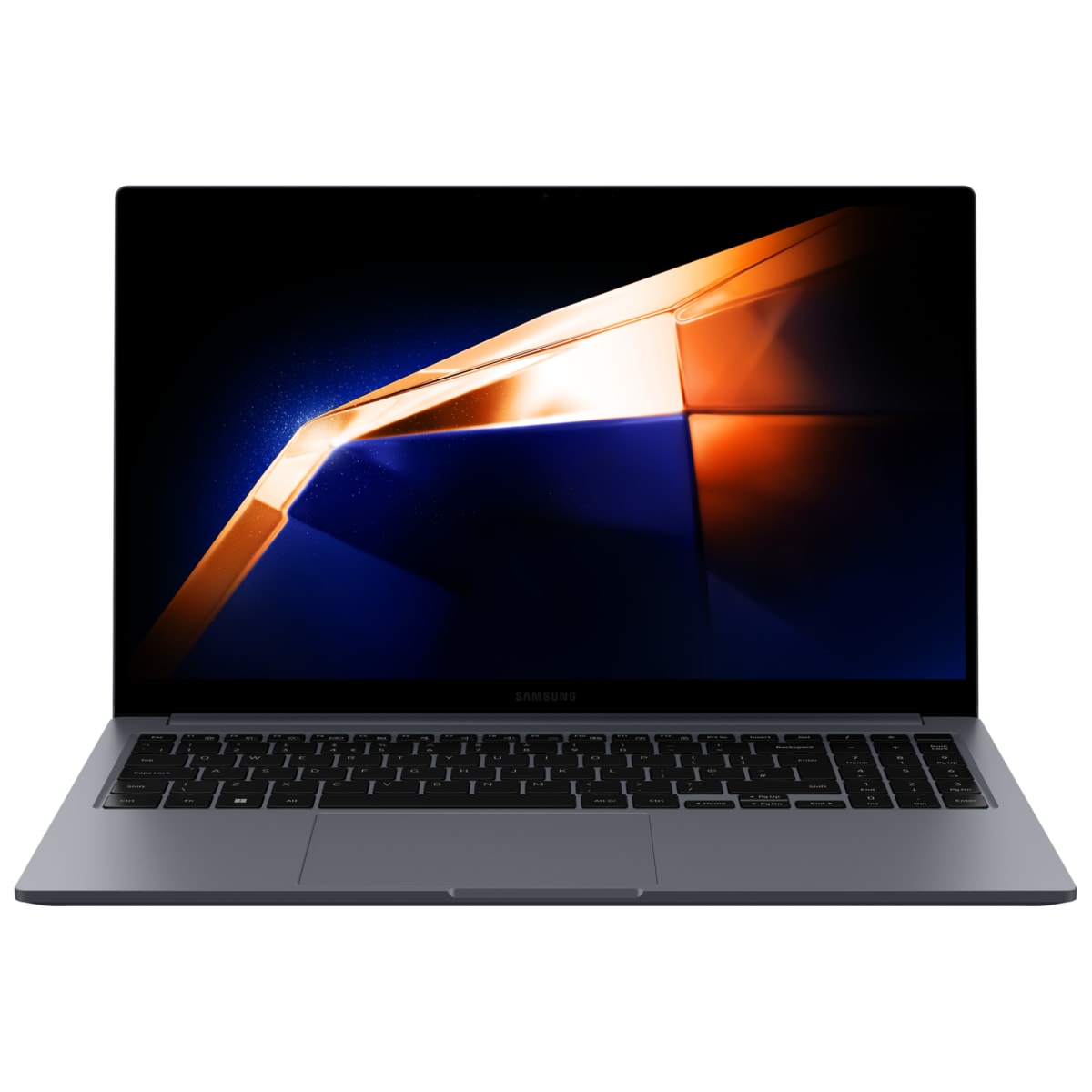
ASUS Vivobook 16 M1607KA-MB148W Copilot+ AMD Ryzen AI 5 340 16GB RAM 512GB SSD 16" Windows 11 Home Laptop
Where the Snapdragon model above suits users who prioritise battery life and all-day portability, this Ryzen AI 5 variant offers a slightly different proposition: AMD's platform tends to have broader software compatibility and performs more predictably across a wider range of Windows applications. The 16GB RAM and 512GB SSD configuration is sensible at this price tier, and Copilot+ support means it is positioned for the near-term direction of Windows AI features. The caveat is that at £549.99, it sits £50 above the Snapdragon model for a specification that is comparable rather than clearly superior — you are paying for the AMD ecosystem, not a meaningful performance leap. With 120 data points and an average price of £549.99, this is currently at its tracked low, but given the limited history, our verdict is WATCH rather than a strong immediate buy signal.
ASUS ROG Flow Z13 GZ302EA AMD Ryzen AI Max+ 395 32GB RAM 1TB SSD 13.4" Touchscreen Windows 11 Home 2-in-1 Gaming Laptop
The ROG Flow Z13 occupies a very specific niche: it is a compact 2-in-1 with the internals of a serious workstation, built for users who need portable power without compromise. The Ryzen AI Max+ 395 is among the most capable mobile processors available, and 32GB RAM with 1TB SSD means this machine has genuine longevity. The 13.4" touchscreen form factor suits creative professionals and power users who travel, but it is worth being clear-eyed that the display size is a significant trade-off for the performance on offer. At £1,798.99 against its £2,499.99 previous pricing, the 28% reduction looks substantial, but with only 94 data points and an average price at the current level, this is a WATCH — the price history is too short to call this a floor with confidence.
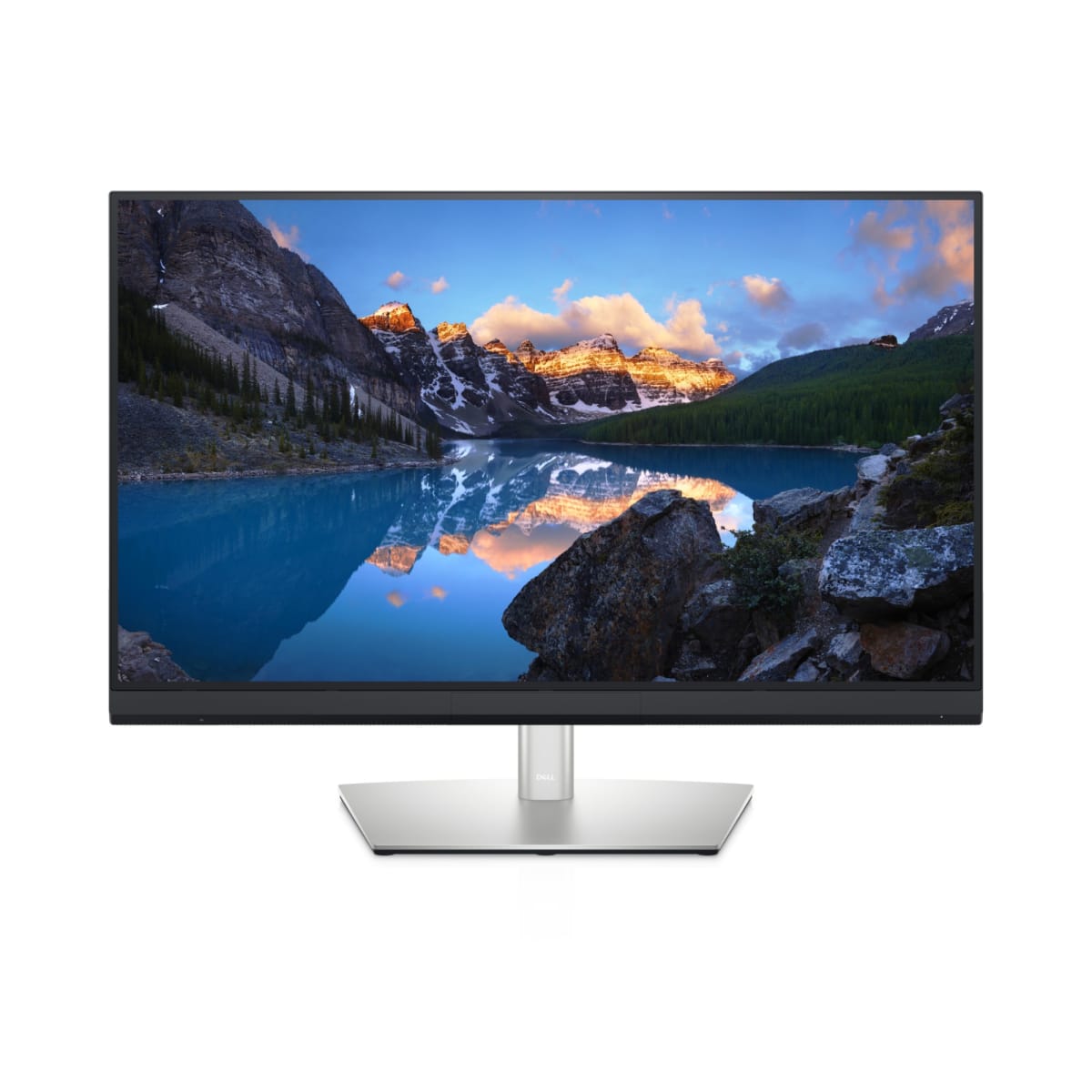
Philips E Line 325E1C/00 31.5" Quad HD VA 75Hz Monitor
A 31.5" Quad HD VA panel at £159 is the kind of specification-to-price ratio that would have been difficult to find at this price point two years ago, and it suits anyone upgrading from a smaller or lower-resolution display for the first time. The VA panel delivers strong contrast and black depth compared to IPS alternatives at this price, which makes it well suited to media consumption and general productivity. The 75Hz refresh rate is adequate for casual gaming but anyone prioritising competitive play should look at higher-refresh options. With only 24 data points tracked, the WATCH verdict here reflects limited history rather than any concern about the price itself — it is currently at its tracked low, but we have not observed it for long enough to confirm this as a durable floor.
Philips 4K UHD Monitor with EasySelect Menu, LowBlue Mode, Flicker-Free, HDR, VA Display
4K resolution at £159 is a striking price point, and this Philips panel adds practical features — LowBlue Mode and flicker-free technology — that matter for users spending extended hours at a desk. The HDR support and VA panel combination delivers solid visual quality for productivity and creative review work. The caveat is that HDR at this price tier tends to be entry-level rather than cinematic, so expectations should be calibrated accordingly. With just 12 data points in the price history, this carries our WATCH verdict: the current price matches the tracked average, but the data set is too limited to draw strong conclusions about whether this represents a durable low or a temporary movement.
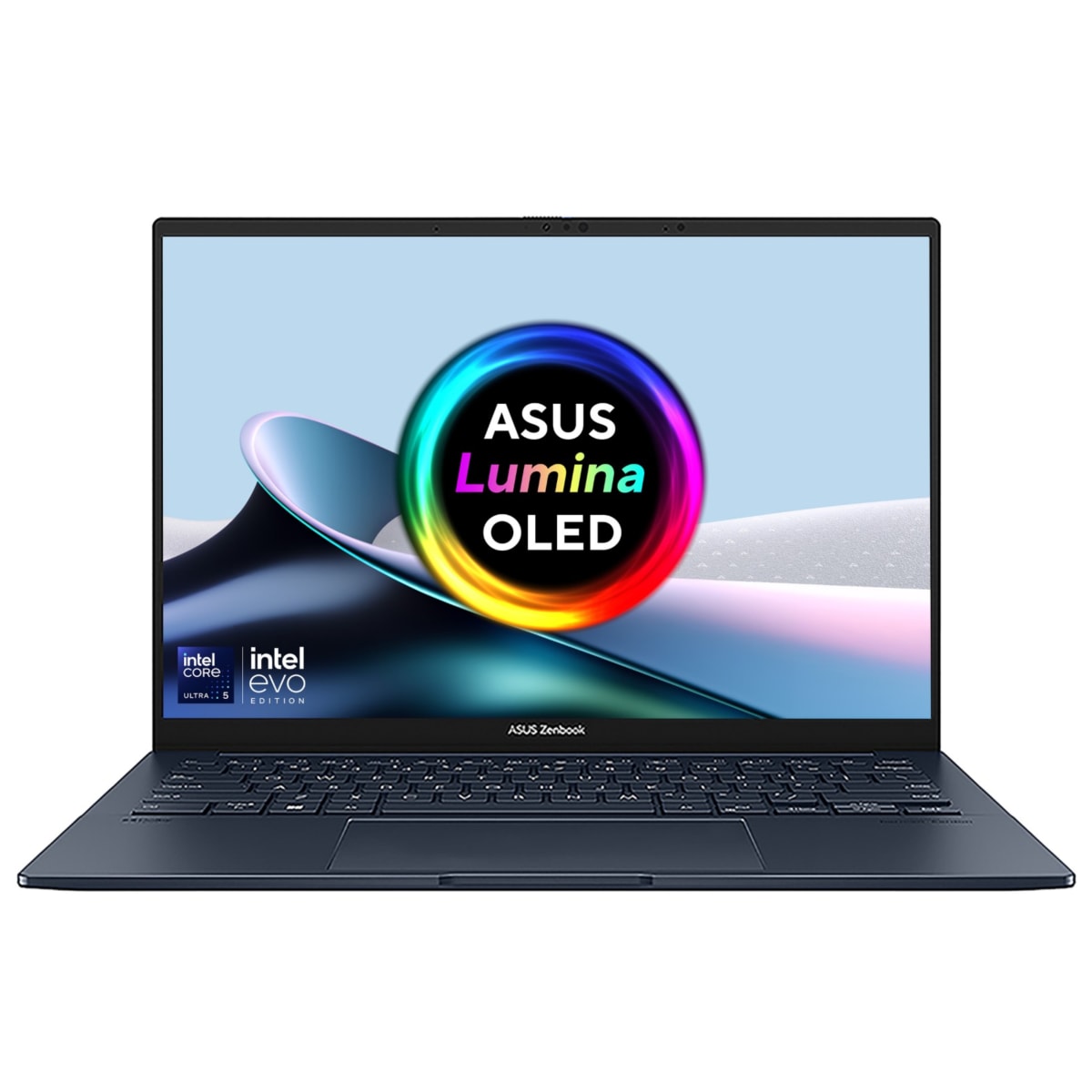
ASUS ZenBook S 14 UX5406SA-PZ228W Intel Core Ultra 7 256V 16GB RAM 1TB SSD 14" Touchscreen 3K Windows 11 Home Laptop
The ZenBook S 14 is ASUS's premium productivity ultrabook, and it earns that positioning through a combination of Intel's Core Ultra 7 256V processor, a 3K touchscreen, and a 1TB SSD — a specification that comfortably handles demanding professional workloads. The 14" form factor keeps it genuinely portable without the screen size compromises of a 13" machine. At £1,099.99 against an average of £1,102.80 across 108 data points, this is essentially at its tracked floor — but the WATCH verdict reflects the fact that the gap between current and average price is marginal, and a more decisive discount is not out of the question over the coming weeks.
What to Look For in Computing
The most common mistake in laptop buying is prioritising processor generation without accounting for the platform's real-world behaviour. A chip with an impressive benchmark score on paper may throttle significantly under sustained load if the chassis cooling is inadequate — something spec sheets never tell you. At the sub-£600 tier, the priority should be RAM and storage minimums: 16GB and 512GB are the sensible thresholds in 2026, and any machine below those figures will feel the constraint within two years. At the £800 to £1,200 mid-range, display quality starts to matter considerably more — resolution, brightness, and colour accuracy separate genuinely capable machines from those that simply have faster chips inside forgettable screens. At the £1,200 and above premium tier, build quality, weight, and battery endurance justify the premium as much as raw performance does.
For monitors, the most frequently overlooked variable is panel type. VA panels offer better contrast and deeper blacks than IPS at equivalent price points, but can exhibit motion blur in fast-paced scenes that IPS panels handle more cleanly. IPS panels typically offer wider viewing angles and more accurate colour reproduction straight from the box, making them preferable for colour-critical work. Resolution matters more than refresh rate for most non-gaming use cases — working at 4K on a 27" or larger display is meaningfully more comfortable than Full HD, and the price gap has narrowed substantially. For gaming monitors, the refresh rate and response time combination matters far more than resolution, and spending heavily on 4K at high refresh rates only makes sense if the graphics hardware can drive it.
Is Now a Good Time to Buy?
Based on the current data, there are pockets of genuine value in the market right now. The ASUS VivoBook X1607QA at £499.99 has earned its LOWEST EVER verdict across 216 data points — that is a meaningful sample size and a clean signal. For the monitor deals, both Philips panels
Frequently Asked Questions
The Snapdragon X is an ARM-based chip built primarily for efficiency, fanless-style sustained performance, and excellent battery life, while the Ryzen AI 5 340 is an x86 chip that offers broader native software compatibility with legacy Windows applications. For everyday tasks like browsing, Office, and streaming, both are capable, but if you rely on older software or specific professional tools, the Ryzen AI 5 340 in the M1607KA is the safer choice. The Snapdragon model may encounter compatibility issues with some x86-only apps that haven't yet been recompiled for ARM.
Yes, it is a deliberate trade-off rather than a hidden weakness. The Flow Z13 is built around portability and the 2-in-1 touchscreen form factor, so you're partly paying for the engineering required to fit AMD Ryzen AI Max+ 395 silicon into a tablet chassis. At this price bracket, a traditional 15" or 17" gaming laptop would typically offer a larger display and potentially better sustained thermal performance under prolonged gaming loads. If screen size and raw thermal headroom matter more to you than portability, the Z13 is not the right choice — but if you specifically need a powerful machine you can use as a tablet, nothing here competes with it.
The Philips 325E1C/00 is a 31.5" Quad HD (2560×1440) VA panel running at 75Hz, whereas the second Philips monitor is a 4K UHD VA display, also with HDR and LowBlue Mode. For a dual-purpose setup, the QHD 325E1C/00 at 75Hz is the more balanced choice — the lower resolution is easier to drive with mid-range GPUs and the 31.5" size makes 1440p sharp without needing scaling. The 4K model delivers finer detail for professional work but 75Hz is modest for gaming at that resolution, and you'll need a capable GPU to get the most from it.
The ZenBook S 14 is the clear step up for content creation: its 3K resolution touchscreen delivers noticeably sharper colour work, the 14" form factor is more portable at premium ultrabook weight, and the Core Ultra 7 256V includes Intel Arc graphics that handle light creative workloads better than the Snapdragon X's integrated GPU. The VivoBook X1607QA has a larger 16" screen and costs £600 less, but its display resolution and GPU capability are not in the same class for colour-critical tasks. If your workflow involves photo editing, video review, or design, the ZenBook S 14 justifies its higher price.
Very confident. Across 216 price data points, £499.99 is both the lowest ever recorded and almost exactly the average price of £500.18, which means this product has barely ever dropped below its current price — it is sitting at the absolute floor of its price history. With that many data points tracked, this is a well-established baseline rather than an anomaly. There is no historical evidence to suggest waiting will yield a lower price.
The 'WATCH' verdict here reflects the fact that only 94 data points have been recorded, meaning the price history is relatively thin and the product hasn't been tracked long enough to establish a reliable floor with confidence. £1,798.99 is the lowest ever seen and equals the average, but with limited data, a further price drop in the coming weeks cannot be ruled out. If you need the machine now, the current price is the best on record — but if you can wait a few weeks and monitor it, there is a reasonable case for doing so given the limited tracking history.
It is genuinely too early to say with confidence. The 325E1C/00 has only 24 data points and the 4K model just 12, and in both cases £159 is simultaneously the lowest ever price and the average — meaning every single tracked price has been £159 with no recorded drops below it. The 'WATCH' verdict signals that the tracking history is too short to confirm this as a price floor. You are not overpaying at £159, but the data doesn't yet support calling it a definitive bargain.
The gap is negligible — a £2.81 difference across 108 data points means the current price of £1,099.99 is functionally indistinguishable from its historical average and represents the cheapest it has ever been sold. The 'WATCH' verdict is appropriate because it hasn't gone lower before, and a stronger promotional period such as Black Friday could theoretically push it further down. However, based purely on the numbers, you are buying at the lowest ever price with a well-established dataset behind it, which is a credible position to purchase from.