Best TV Deals UK 2026
If you've ever wondered whether a TV deal is genuinely worth taking or simply the retailer's usual price dressed up with a crossed-out figure, this page is built to answer that. We track TV prices across UK retailers over time, so what you see here reflects real movement in the market — not a snapshot, but a running picture of how much these screens actually cost and where genuine reductions tend to appear.
Across 3 months we've tracked 6 tv product lines — here's what the price data shows.
Plus 6 more product lines tracked, ranging £179–£1599.
How to choose the right tv
The single most common mistake buyers make is treating screen size as the primary measure of value. A larger panel at a lower price can easily mean a worse picture than a more modest screen with a superior display technology behind it. When evaluating a TV, the panel type is a more reliable guide to real-world quality than the diagonal measurement alone — it determines how the set handles contrast, colour accuracy, and viewing angles, which are the things you will actually notice once the box is unpacked and the room lights are on. Resolution matters, but only up to the point that your viewing distance and content sources can justify it; buying well beyond that threshold is one of the most common ways money is wasted in this category. Our tracked history shows that price variation within the same panel technology and size bracket can be considerable, which means the figures shown in the data band represent a real opportunity for patience to pay off — waiting for a tracked price to fall closer to its lower end is almost always a more reliable strategy than acting on an unverified percentage-off claim.
Marketing in this category leans heavily on specifications that sound compelling in a showroom or a product listing but rarely translate into everyday benefit. Refresh rate figures are frequently inflated through manufacturer-specific processing labels rather than native panel performance, and the headline feature sets promoted during major sale periods — particularly around large retail events — are often carried by models that represent older stock rather than current value. What tracked price data reveals is that the genuine low points for a given class of TV tend not to coincide neatly with the dates retailers market as their biggest savings moments. The figures in the band above reflect the breadth of what we have observed, and a TV sitting near the lower end of its tracked range represents a far more grounded proposition than one promoted as discounted but still sitting above where it has previously sold.
Who should look elsewhere
If your primary use case is a secondary room, a student bedroom, or any space where the TV will be watched casually and briefly, the spending level that a considered purchase in this tracked range implies may simply not be appropriate — a smaller, more modest screen bought at a straightforward price will serve that purpose without the need for price-tracking strategy at all. Similarly, buyers who are firmly set on a particular brand or a very specific model for reasons of ecosystem compatibility, or because they are replacing an existing set and want a like-for-like experience, may find that our aggregate approach to this category is less useful to them than a dedicated single-product price alert. And if your budget sits firmly at the lower end of what the market carries, it is worth considering whether a refurbished or open-box unit from a reputable retailer might deliver more screen for your money than a new set at the same price point — that route sits outside what we track here, but it is a legitimate alternative worth weighing honestly.
Frequently Asked Questions
The price of a TV varies widely depending on screen size, resolution, and panel technology, so there is no single figure that covers the whole market. The data band on this page shows the current tracked price range across the TVs we monitor, giving you a realistic picture of what to expect at different tiers.
Our tracked history reveals that TVs are among the more heavily discounted large electronics, with meaningful drops appearing regularly across the year. The figures in the band above reflect the gap between the highest and lowest recorded prices, so you can judge for yourself whether the current asking price represents a genuine saving.
The price data on this page shows where today's prices sit relative to the full tracked history for each TV, so you are not guessing. If the current price is close to the tracked low shown in the band above, now is a reasonable time to buy rather than wait.
Retailers tend to cut TV prices around major sale events and at points in the year when new screen technology arrives and older stock needs clearing. Rather than naming specific periods, our tracked history reveals the lowest prices each TV has actually reached, so you can see when drops have historically occurred by reviewing the figures above.
The tracked range shown in the band above includes the floor price recorded for each TV we follow, which is the most reliable indicator of how low a given model has genuinely sold for. Checking that figure before you buy tells you immediately whether a current promotion is close to the real historical low or still some way above it.
A common retailer tactic is to raise a TV's reference price briefly before a sale so the discount looks larger than it really is. The price data on this page shows the full tracked history for each TV, so you can compare any advertised 'was' price against the actual recorded price over time and spot whether the claimed saving holds up.
Current Live Deals
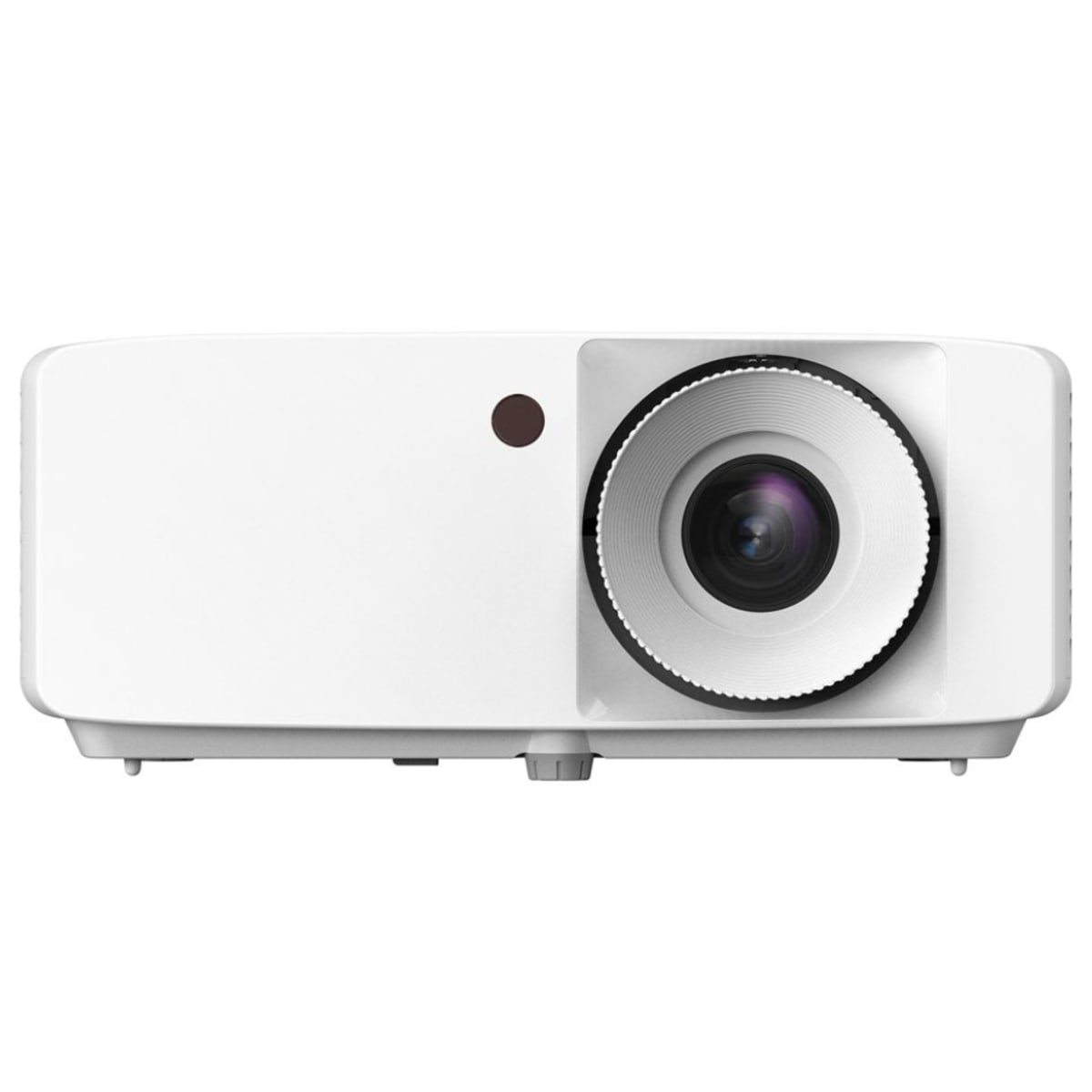 20% OFF
Optoma HZ146X-W 3800 Lumens Full HD Compact Laser Projector - Eco-Friendly & Energy Efficient
 17% OFF
BenQ GV50 Full HD 500 ANSI Lumens Portable Home Cinema Projector
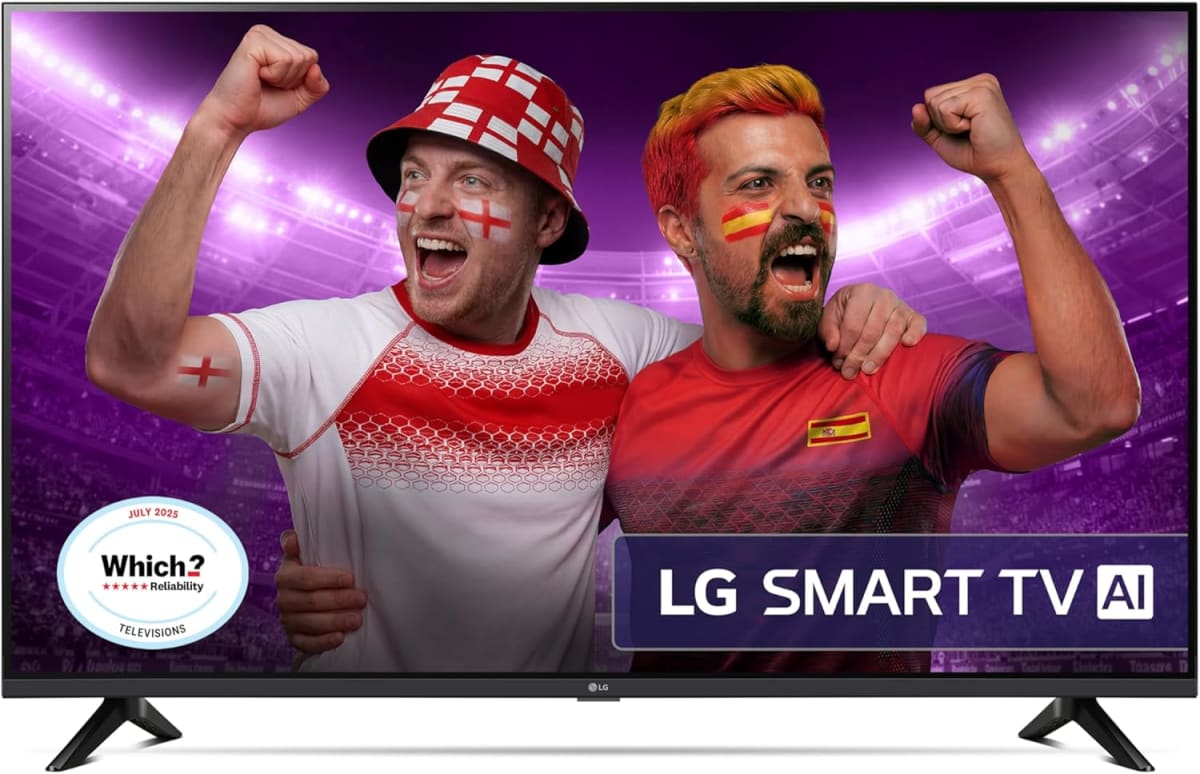 28% OFF
LG 43LR60006LA 43-Inch FHD Smart TV — alpha 5 AI Processor Gen6
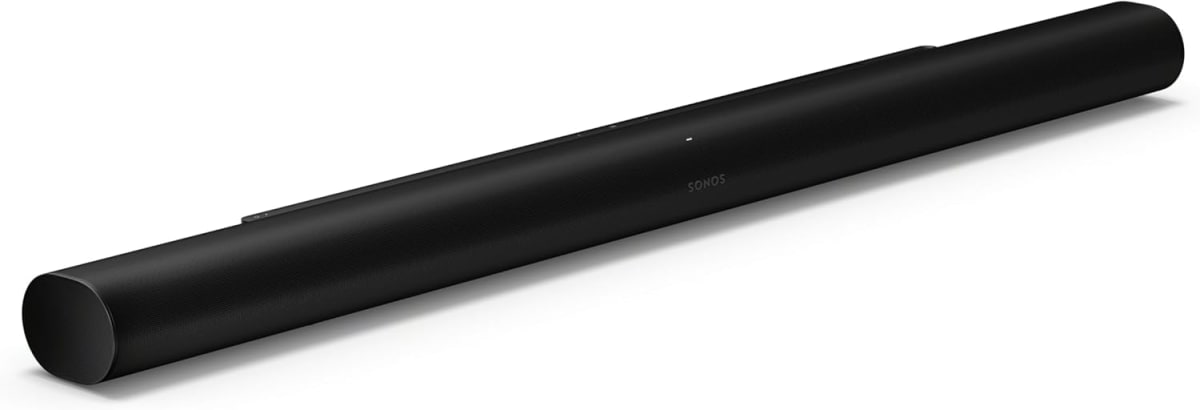 22% OFF
Sonos Arc Ultra Soundbar with Dolby Atmos and Voice Control - 9.1.4 Surround Sound for TV and Music - Black
 17% OFF
Hisense 55" 55E6QTUK 4K Ultra HD Smart TV — Hi-View AI Engine, Precision Colour, AI Smooth Motion, Freely, Disney+, Netflix
How this page is made: the price figures above come from 3 months of prices we’ve tracked ourselves across UK retailers — first-party data, not retailer-supplied. Savings and verdicts are calculated from that history using our scoring method. We refresh the data continuously and rewrite the analysis when the picture materially changes.