Best Gaming Monitor Deals UK 2026
If you are trying to work out whether a gaming monitor is genuinely on sale or simply marked down from an inflated asking price, you are in the right place. This page draws on prices we have tracked ourselves across UK retailers over time, combining that historical picture with what is live right now, so you can see at a glance how the current figures compare to the longer-term pattern before you spend a penny.
Across 4 months we've tracked 230 gaming monitor product lines — here's what the price data shows.
Plus 230 more product lines tracked, ranging £59–£2200.
How to choose the right gaming monitor
The specifications that dominate gaming monitor marketing — headline refresh rates, resolution figures, and panel type labels — are genuinely meaningful, but only when weighed against one another rather than treated as a simple hierarchy. A very high refresh rate matters most if your hardware can actually sustain the frame rates to take advantage of it; if it cannot, you are paying for headroom you will rarely touch. Panel technology shapes your experience in ways that raw numbers do not capture: the difference between how a fast TN panel and a higher-quality IPS or OLED panel renders colour, contrast, and viewing angles is something you feel in daily use, not something you see in a specification sheet. Response time figures are frequently measured under the most flattering conditions the manufacturer can construct, so treating them as directly comparable across brands is one of the most common mistakes buyers make. Screen size and resolution need to be matched to your typical viewing distance and the resolution your machine actually outputs — a large, high-resolution panel run below its native resolution can look noticeably worse than a smaller one used as intended.
Where tracked price history earns its keep is in cutting through the noise around panel technology and feature tiers. The price data above reveals how the gap between entry-level and mid-range gaming monitors behaves over time, and whether the premium asked for more advanced panel types or higher refresh rates is holding firm or being quietly eroded by competition. Retailers in this category are particularly fond of launch-price anchoring — setting an opening price high enough that the first significant markdown looks dramatic, even when the actual sale price is unremarkable by the standards of the broader tracked range. Looking at the figures shown rather than the percentage-off badge in the listing is the most reliable way to judge whether a deal is genuinely positioned well within the historical range, or whether the saving is largely cosmetic.
Who should look elsewhere
A dedicated gaming monitor is not the right answer for every buyer, and it is worth being clear about that. If your primary use is creative work — colour-graded photo or video editing — the panel calibration and colour accuracy standards that professional display categories are built around matter more than the high refresh rates that define gaming monitors, and you will find those qualities more reliably in displays marketed specifically for that purpose. Buyers on a tighter budget who game casually and also use their screen for general work may find that a good general-purpose monitor delivers a more balanced experience than a gaming-focused panel at the same price point, where the budget has been skewed toward refresh rate at the expense of panel quality. And if you are primarily a console player whose platform is locked to a fixed output frame rate, the upper end of the refresh rate range tracked here may offer you little practical benefit — in that case, a monitor selected for picture quality and input lag at a lower price tier is likely to serve you more honestly than one with headline gaming credentials you cannot fully use.
Frequently Asked Questions
The price data on this page shows the tracked range across gaming monitors currently listed, from budget-friendly entries through to high-refresh-rate, high-resolution models aimed at serious setups. The figures in the band above reflect real UK retail prices rather than manufacturer estimates, so they give you an accurate starting point for budgeting.
Our tracked history reveals the gap between the peak price and the lowest recorded price for each gaming monitor listed, and that difference can be substantial on premium panels with fast refresh rates. Check the tracked range shown against the current price to see exactly how much headroom exists on any model you have your eye on.
The price data on this page shows whether each gaming monitor is sitting near the top or bottom of its tracked range right now, which is a far more reliable signal than gut feeling. If the current price is close to the tracked low shown in the band above, that is a genuine indicator that conditions are favourable.
Our tracked history reveals that gaming monitors see price movement tied to major UK retail events, new panel generation releases, and stock clearance periods, all of which show up as dips in the tracked range shown. Rather than guessing the calendar, use the historical low figures in the band above to recognise a real drop the moment one appears.
The tracked range shown in the band above includes the historical low recorded for each gaming monitor listed, drawn from real UK retailer data rather than estimated or imported figures. Comparing that low to today's price tells you immediately whether a current offer represents a genuine discount or simply the standard going rate.
Retailers sometimes raise the reference price of a gaming monitor before a sale to make the discount look larger than it really is, but our tracked history reveals the true price trajectory for each model. If the so-called sale price sits well above the historical low shown in the figures in the band above, the deal is not as strong as it appears.
Current Live Deals
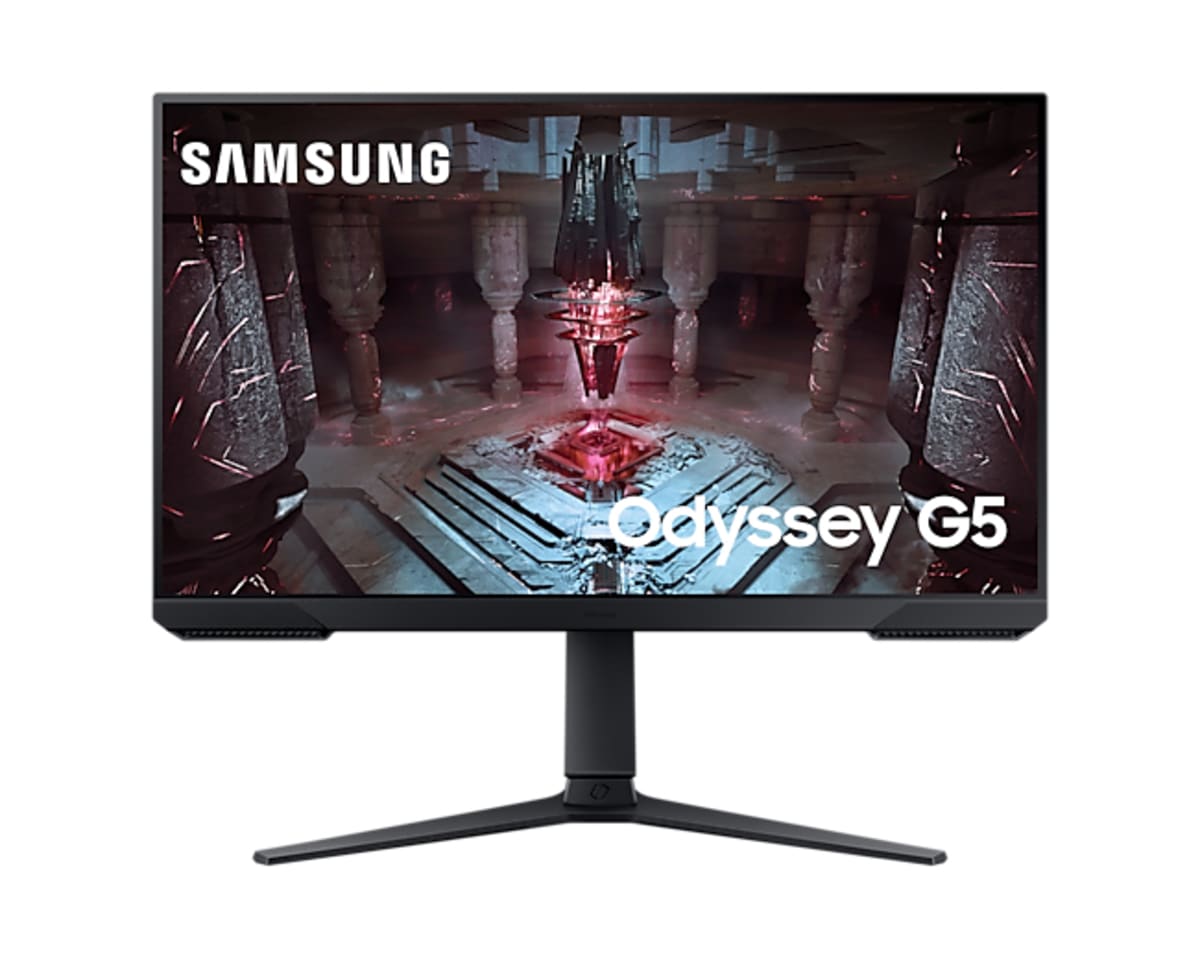 45% OFF
Good Deal
45% OFF
Good Deal
Samsung LS27CG510EUXXU 27" QHD 165Hz 1ms Response Time Gaming Monitor - AMD FreeSync Premium
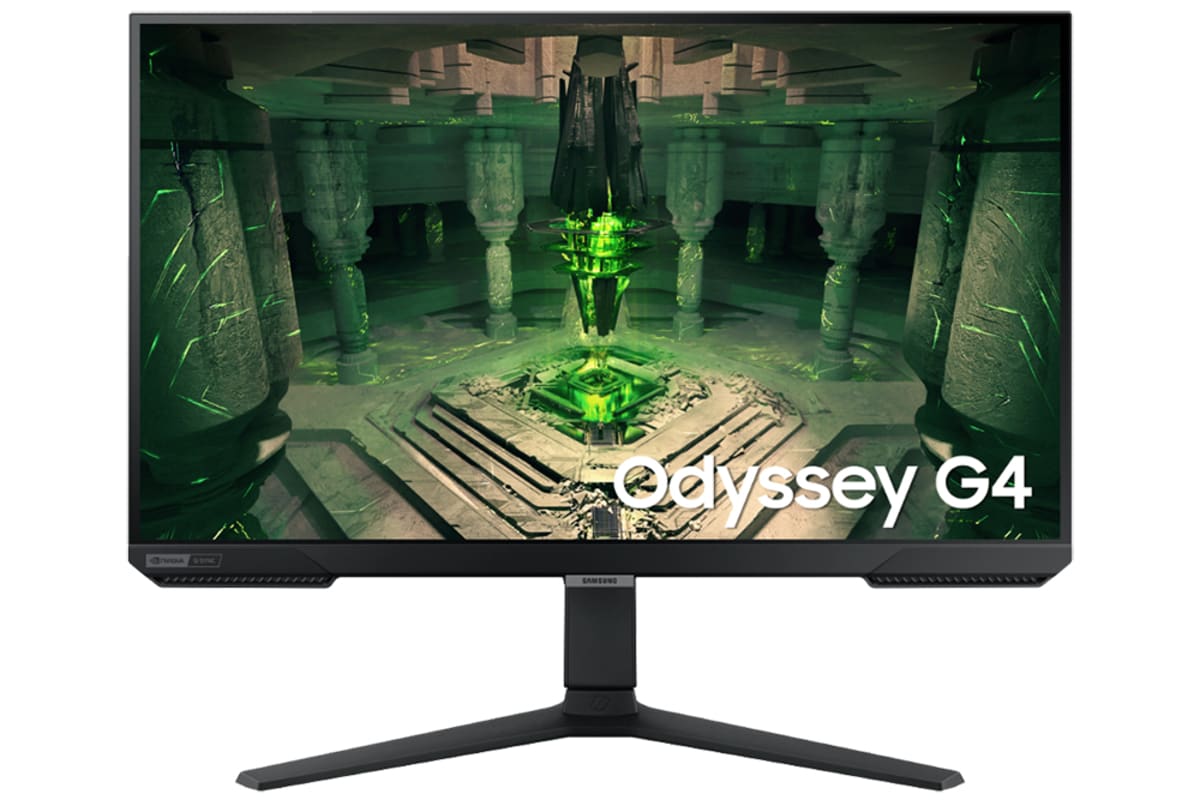 43% OFF
Good Deal
43% OFF
Good Deal
Samsung LS27BG400EUXXU 27" FHD 240Hz Odyssey Curved Gaming Monitor - 1ms Response Time IPS Panel
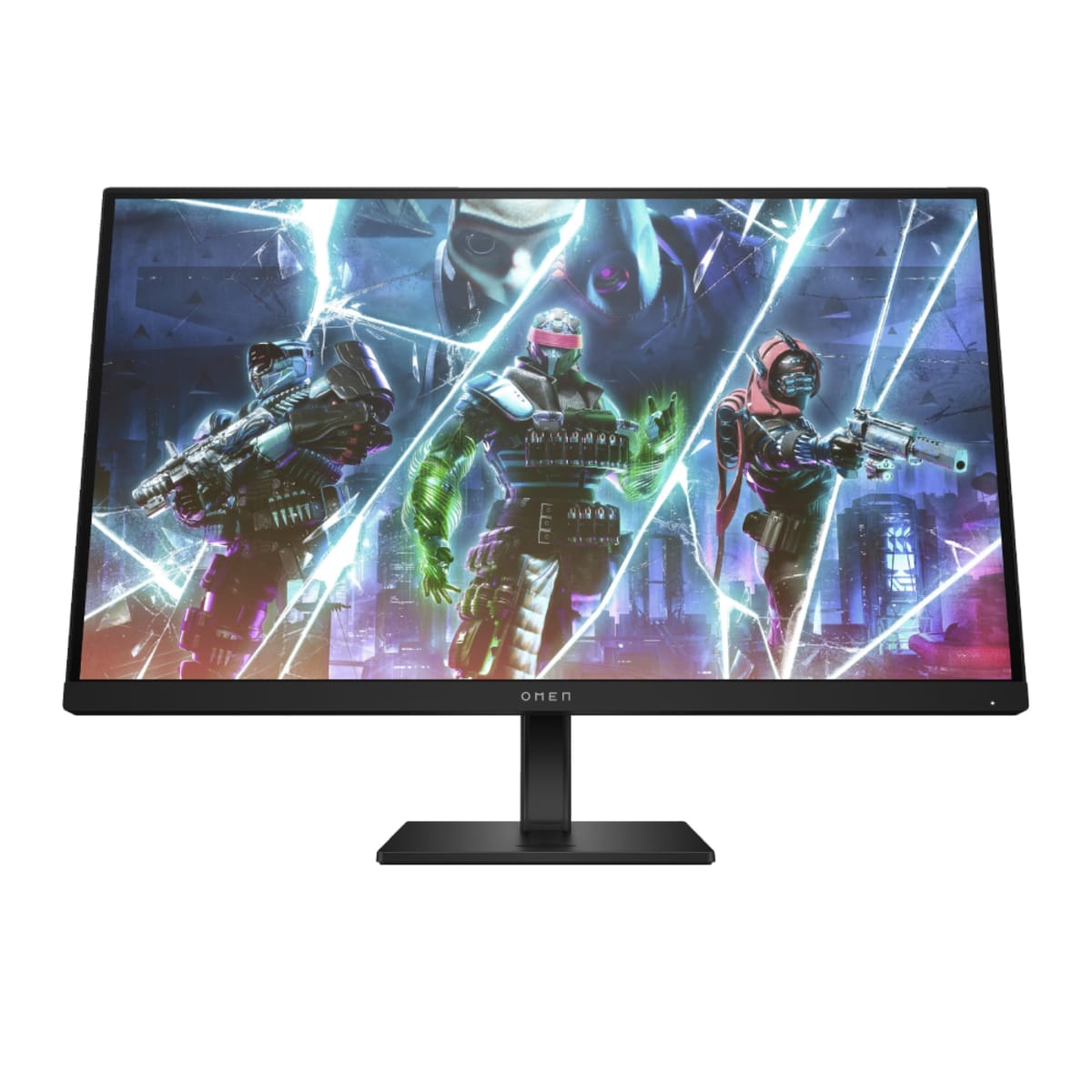 46% OFF
Good Deal
46% OFF
Good Deal
HP OMEN 780G5AA#ABU 27" FHD 240Hz 1ms G-SYNC FreeSync Gaming Monitor - Unrivalled Performance
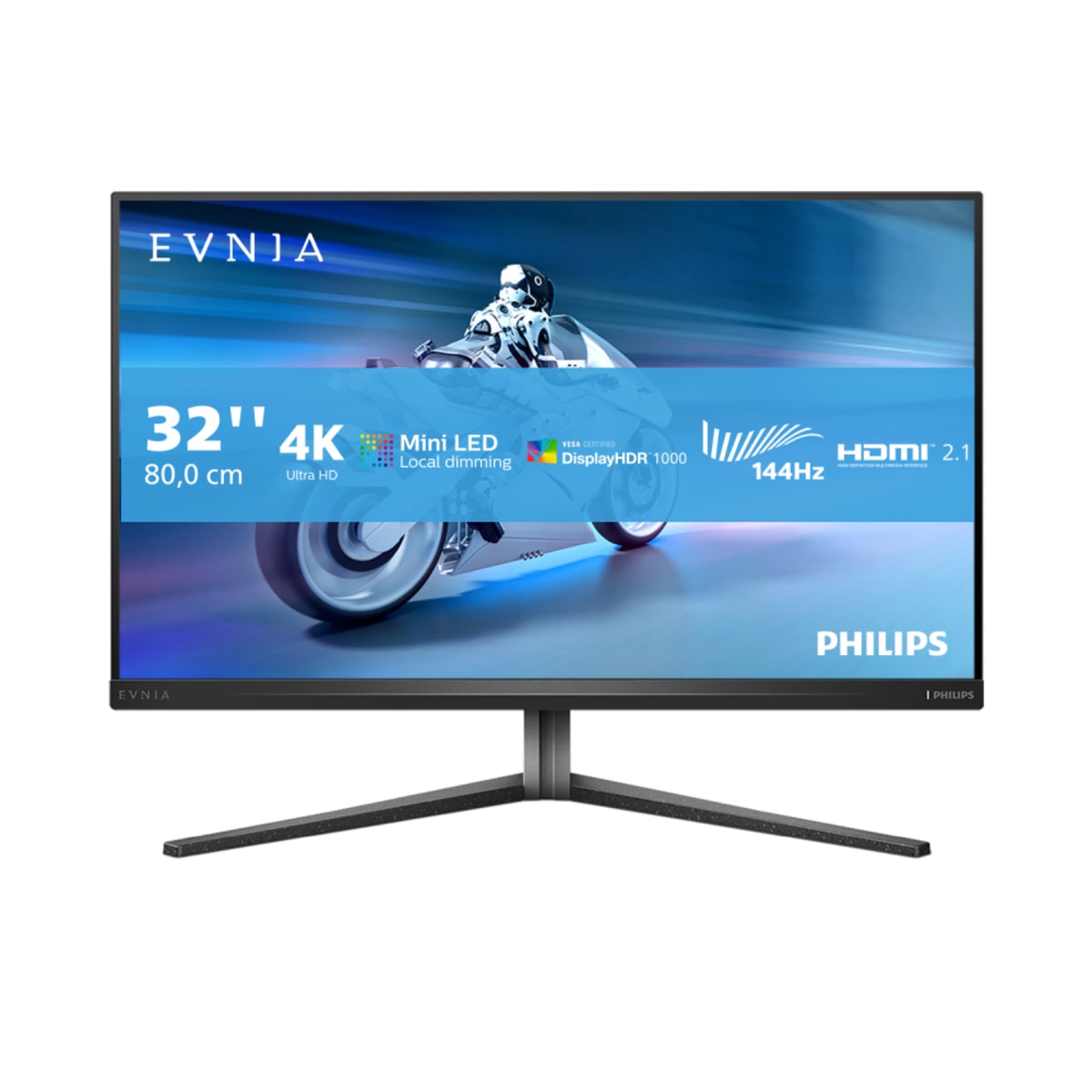 35% OFF
Lowest Ever
35% OFF
Lowest Ever
Philips Evnia 32M2N6800M/00 31.5" IPS LCD 4K Ultra HD 144Hz 1ms Height Adjustable Gaming Monitor
 43% OFF
Good Deal
43% OFF
Good Deal
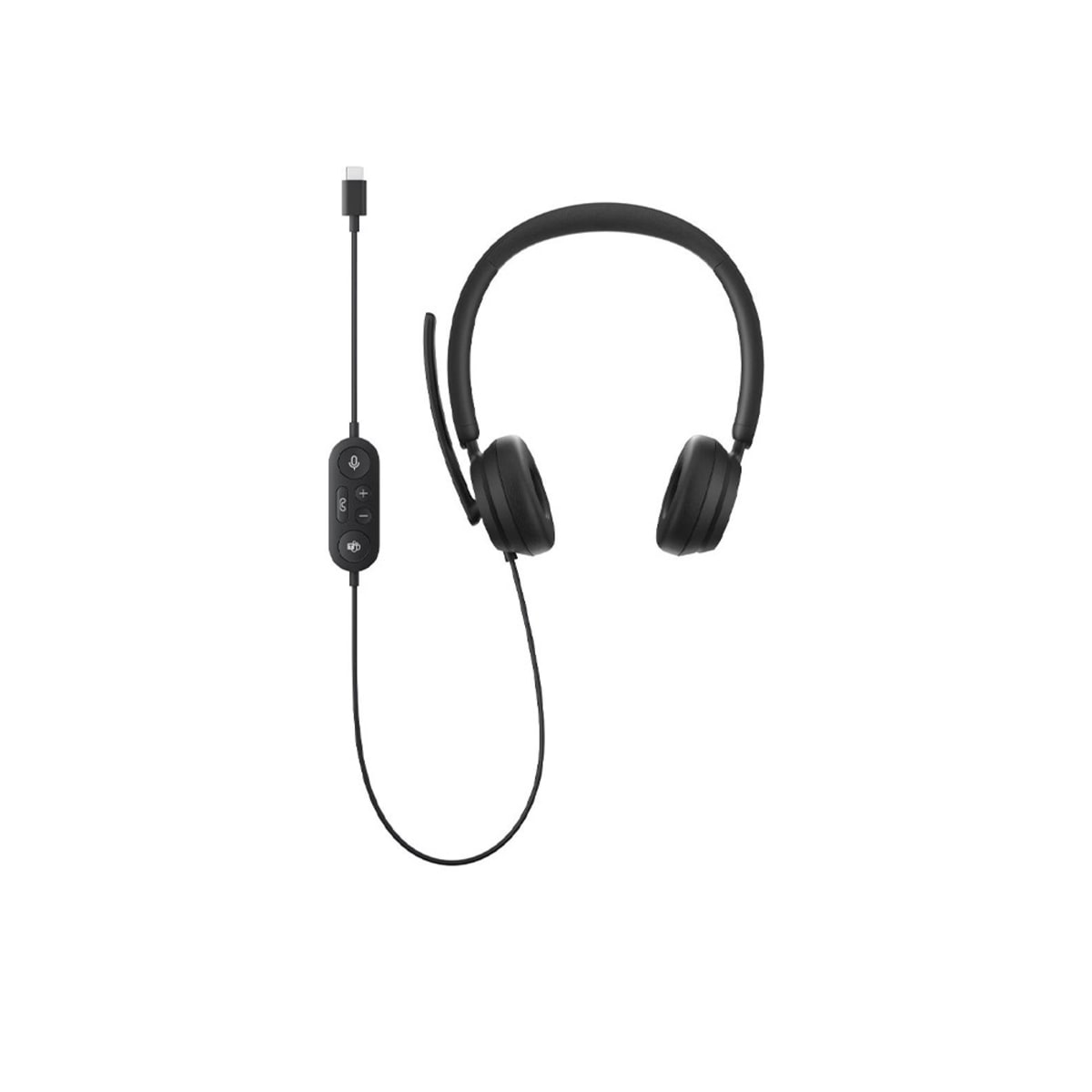
Microsoft Modern USB-C Wired Headset Black - I6P-00005
 46% OFF
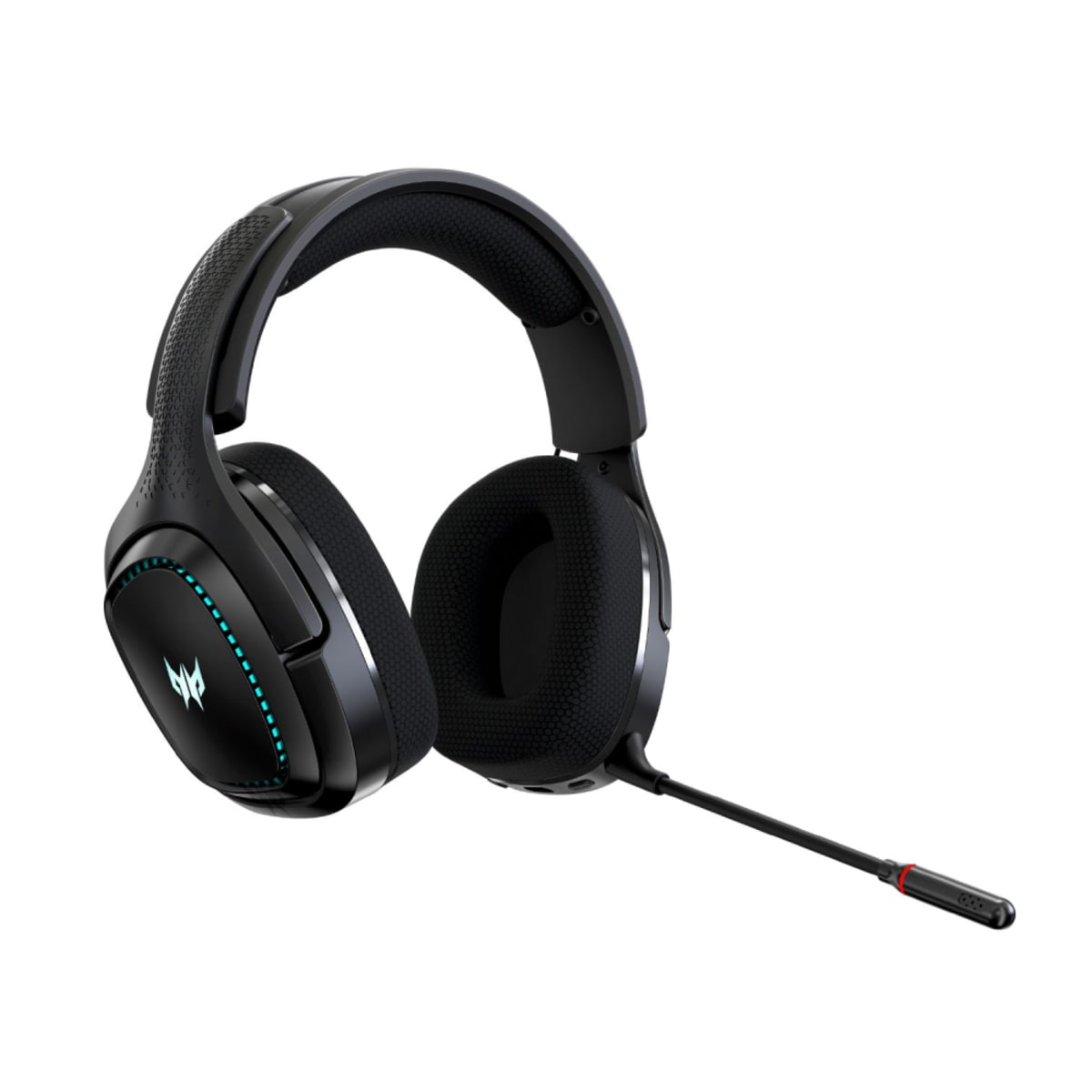
Acer Predator Galea 550 Wireless Gaming Headset Black GP.HDS11.01J - 2.4GHz & Bluetooth, Up to 12H Battery
How this page is made: the price figures above come from 4 months of prices we’ve tracked ourselves across UK retailers — first-party data, not retailer-supplied. Savings and verdicts are calculated from that history using our scoring method. We refresh the data continuously and rewrite the analysis when the picture materially changes.