Best Gaming Deals UK 2026
Across 4 months we've tracked 309 gaming product lines — here's what the price data shows.
Plus 309 more product lines tracked, ranging £33–£2200.
We may earn a commission if you buy through links on this page, at no extra cost to you. Our verdicts are based on price history data, not advertiser relationships.
Gaming gear in the UK spans an enormous range — from monitors capable of pushing 360 frames per second to headsets designed for marathon sessions, keyboards engineered for sub-millisecond actuation, and mice built around competitive precision. The category is also one of the most aggressively discounted in consumer tech, which sounds like good news until you realise how often inflated "was" prices are used to dress up mediocre discounts as unmissable events. What genuinely matters right now is resolution versus refresh rate trade-offs (a 1080p 240Hz monitor suits competitive shooters far better than a 4K 60Hz panel costing twice as much), and whether a product's core specs actually align with your GPU's output. Spending £200 on a 4K monitor when your graphics card struggles past 1080p is a common and avoidable mistake.
At The Daily Find UK, we track real price history on every product we feature — not just today's sticker price, but how it has moved over weeks and months across major UK retailers. That means when we call something a lowest-ever price, it is backed by data, not marketing copy. Our live verdicts tell you whether a deal is genuinely worth acting on or whether patience will be rewarded. You can browse everything we are currently tracking across the full Gaming deals section, which is updated continuously as prices shift.
What Are You Looking For?
The gaming category covers a wide spread of hardware, and the right starting point depends entirely on what you actually need. This page gives you an overview of the strongest deals currently live across monitors, headsets and accessories, but if you are focused on a specific product type, we have dedicated guides that go deeper. If a new mouse is the priority, our Best Gaming Mouse Deals UK guide tracks prices across the leading wired and wireless models, covering everything from budget optical sensors to high-end competition-grade hardware with full price histories attached. For input devices, our Best Gaming Keyboard Deals UK guide covers mechanical switches, tenkeyless layouts and membrane alternatives — useful if you are trying to work out whether a sale price actually represents value or whether the same board has been cheaper before. Spending a few minutes with the right sub-guide before you buy will almost always save you money or steer you towards a better-value alternative at the same price point.
Featured Deals Right Now
The following deals are live at time of writing and have been verified against our price history records.
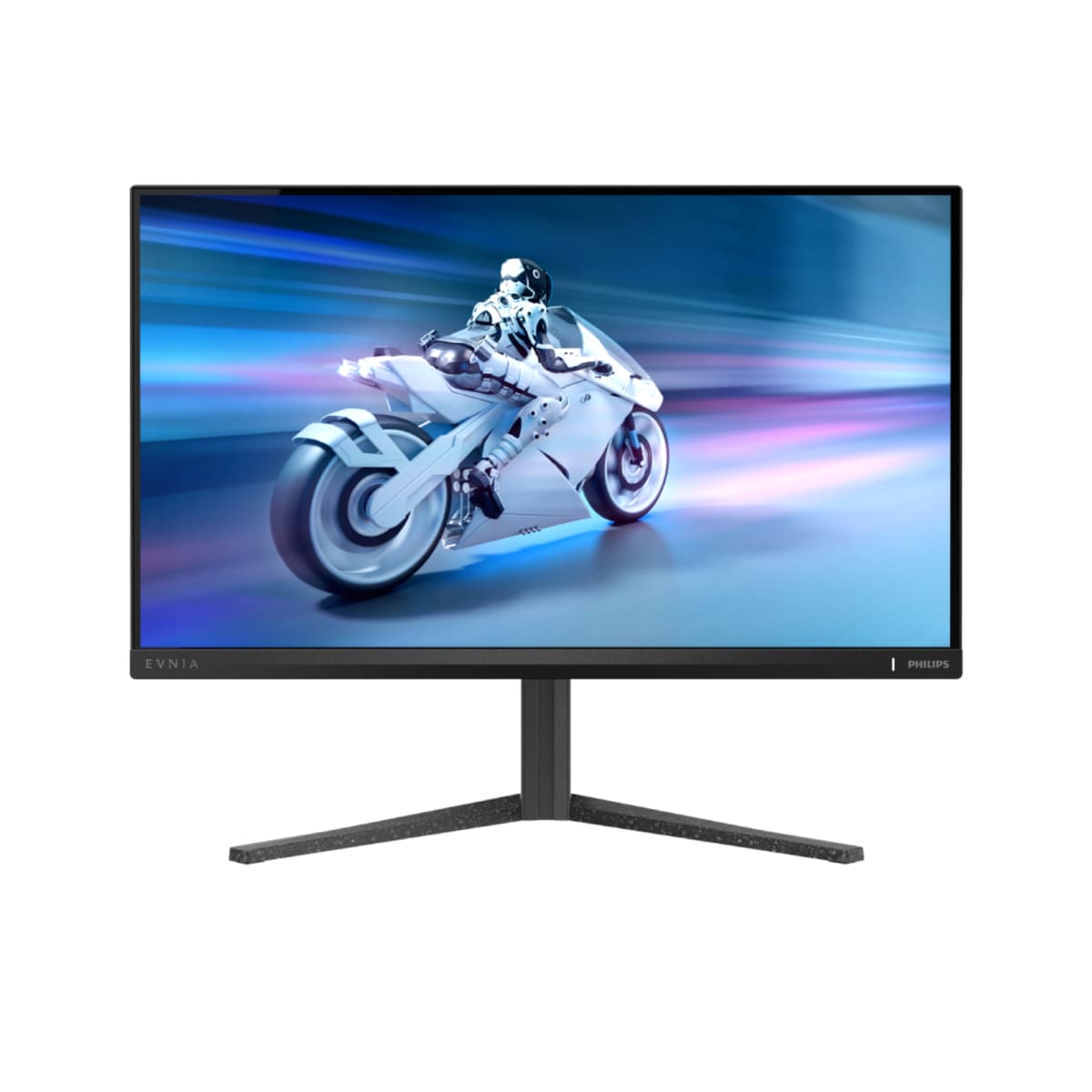
Philips 25M2N5200U 25" Fast IPS FHD 360Hz 0.5ms Height Adjustable Gaming Monitor — £149.00

This monitor is built for competitive play above all else — 360Hz is about as high as consumer panels currently go, and the 0.5ms response time means motion clarity is genuinely strong rather than just a spec sheet number. The Fast IPS panel also offers better colour reproduction than TN alternatives at this speed, which matters if you use the same screen for anything beyond gaming. The honest caveat is that the 1080p resolution on a 25-inch panel is not going to impress anyone doing creative work or watching films. That said, at £149.00, our price history across 360 data points confirms this is the lowest recorded price for this monitor — the average sits at £181.22, so you are saving meaningfully against what this normally costs. A strong pick for competitive FPS players who prioritise frame rate over pixel density.
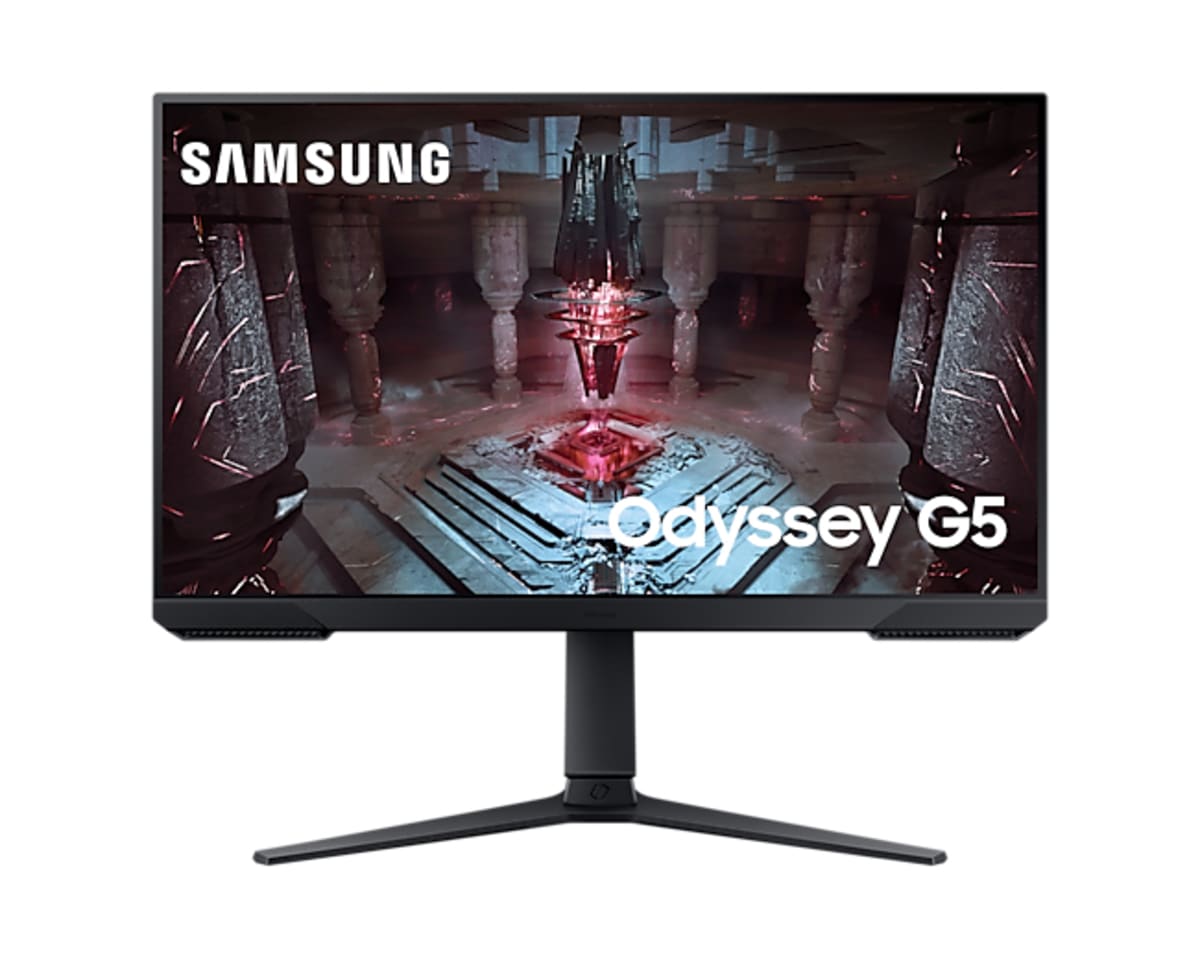
Samsung LS27CG510EUXXU 27" QHD 165Hz 1ms Gaming Monitor — £125.00

A 27-inch QHD panel at 165Hz for £125.00 is a compelling proposition for anyone who finds 1080p at this screen size slightly soft but cannot justify a step up to 4K. AMD FreeSync Premium support means tear-free gaming on Radeon GPUs without any additional setup, and 1ms response time keeps ghosting well controlled at this refresh rate. It is worth noting that FreeSync Premium is not natively compatible with Nvidia's G-Sync, though many recent Nvidia drivers do support FreeSync monitors to varying degrees. Our data across 90 price points shows that £125.00 is both the current and lowest recorded price, with an average that matches — this has been consistently priced here, which tells you it is a fair market rate rather than a temporary spike downward. A solid all-rounder for mid-range builds.
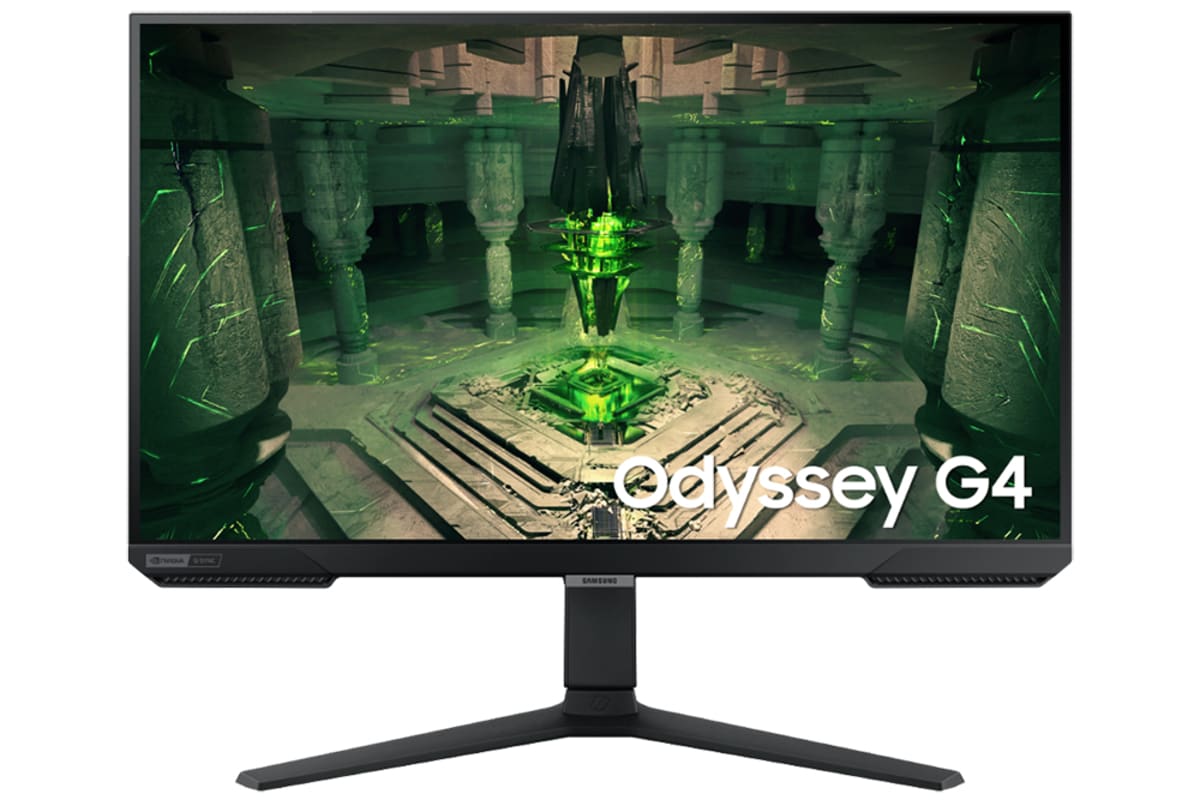
Samsung LS27BG400EUXXU 27" FHD 240Hz Odyssey Curved Gaming Monitor — £145.00

The Odyssey line has earned a reasonable reputation for delivering higher refresh rates at accessible prices, and the 240Hz ceiling here puts it a step above the 165Hz panel above for anyone who plays fast-paced titles where frame rate makes a tangible difference. The curved IPS panel adds some peripheral immersion, though it is a mild curve rather than the aggressive 1000R you find on more expensive screens. At 1080p on a 27-inch display, sharpness is the one area where this concedes ground to the QHD Samsung listed alongside it — which to choose largely depends on whether you prioritise refresh rate or resolution. At £145.00, our 68 data points confirm this equals the lowest price we have recorded, down from a £249.00 RRP. A worthwhile step up for competitive players whose GPU can sustain high frame rates in the titles they actually play.
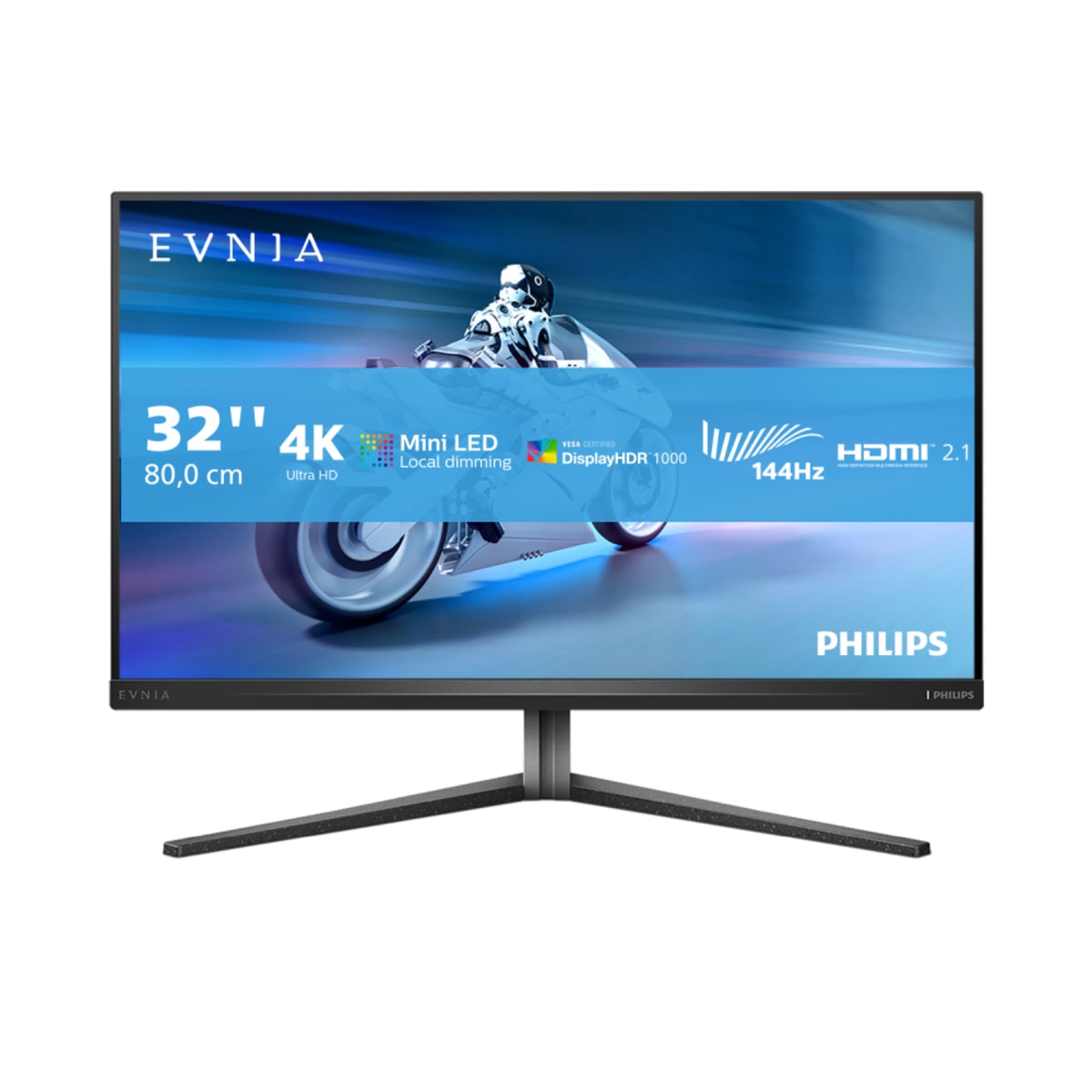
Philips Evnia 32M2N6800M/00 31.5" IPS LCD 4K Ultra HD 144Hz 1ms Gaming Monitor — £449.99

This is the premium option in this roundup — a 31.5-inch 4K IPS panel with a 144Hz refresh rate and 1ms response time, which is a combination that still commands a significant premium in the monitor market. At this screen size, 4K resolution is genuinely appreciable rather than academic, and the IPS panel produces accurate colours that make this a viable choice for content creation alongside gaming. The honest caveat is that you will need a fairly capable GPU to drive 4K at high frame rates consistently — pairing this with a mid-range card and expecting smooth 144Hz gameplay in demanding titles is setting yourself up for disappointment. Our price history across 366 data points places the average at £528.09; at £449.99 this is the lowest ever recorded price, which represents a meaningful saving on a monitor that has held its value unusually well. Worth considering seriously if your setup can support it.
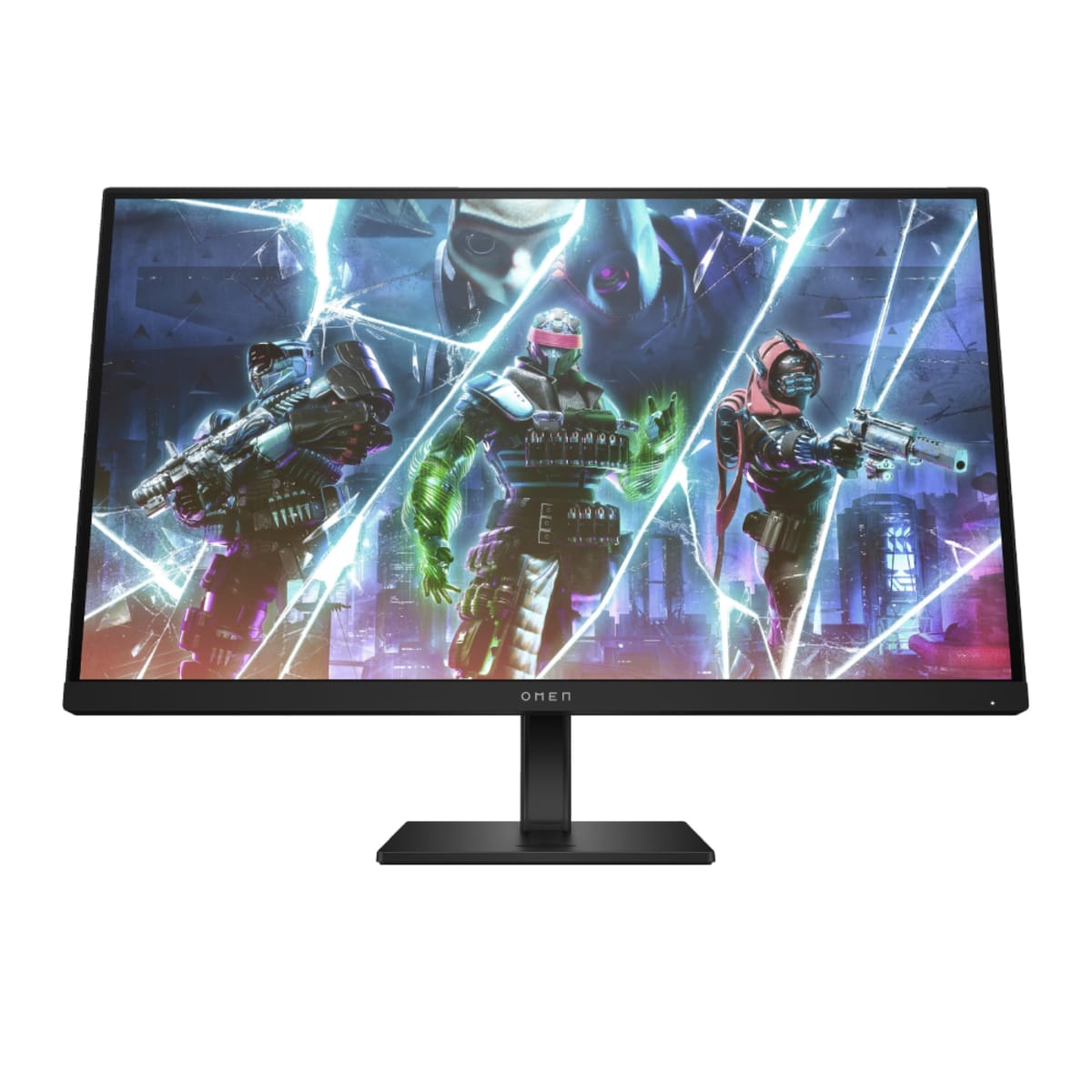
HP OMEN 780G5AA#ABU 27" FHD 240Hz 1ms G-SYNC FreeSync Gaming Monitor — £152.00

HP's OMEN range tends to appeal to Nvidia users specifically, and the G-SYNC compatibility on this panel is a genuine differentiator compared to the FreeSync-only monitors in this roundup — it works properly with both major GPU camps. At 240Hz and 1ms, the performance profile is strong for competitive play, and the 27-inch FHD combination sits in a pragmatic middle ground. The trade-off, as with all FHD at 27 inches, is that pixel density is lower than on the QHD Samsung above, which some users find noticeable at close distances. At £152.00 across 50 data points, the average matches the current price — this is a fair price for what it offers, particularly for Nvidia GPU owners who want proper adaptive sync support without paying a G-SYNC premium on the monitor hardware itself.
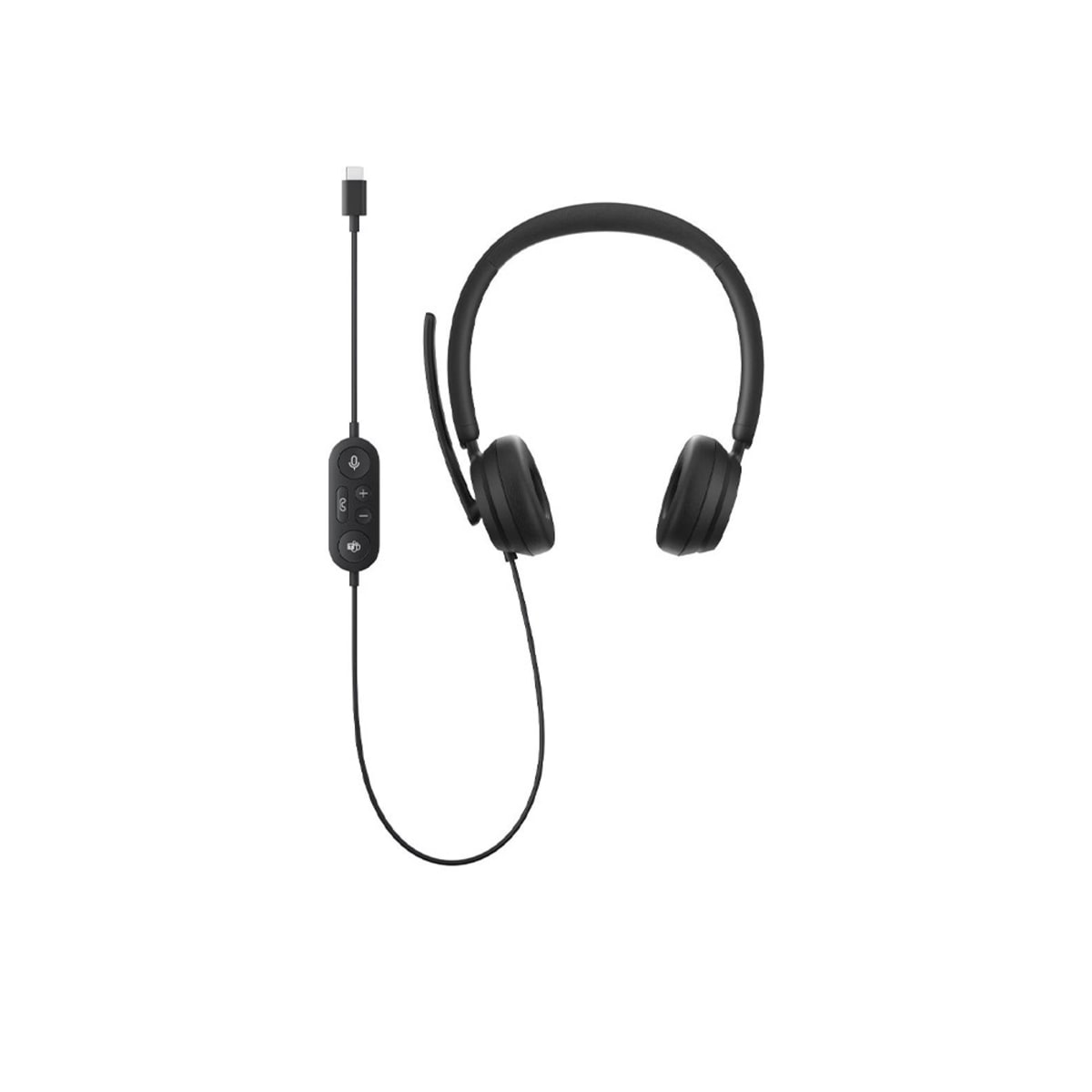
Microsoft Modern USB-C Wired Headset Black — £44.99

Not every gaming peripheral needs to be neon-lit and RGB-laden, and this Microsoft headset takes the opposite approach — a clean, business-facing design that works across Teams calls, Xbox and PC gaming without any driver faff. USB-C connectivity is increasingly useful as more gaming laptops and desktops move away from legacy audio jacks. It is a wired headset, so there is no battery anxiety, though equally no freedom of movement. Audio quality is competent rather than exceptional — if spatial audio and surround sound processing are important to you, more specialised gaming headsets will serve you better. At £44.99, our 42 data points confirm this equals the lowest recorded price with an average to match, making it a fair entry point for a versatile everyday headset.
Brand Guides
If you are loyal to or considering a specific brand, our dedicated guides track discounts across entire product ranges rather than individual items. SteelSeries produce some of the most widely used competitive peripherals in the UK market, spanning mice, keyboards and headsets — our Best SteelSeries Deals UK guide covers everything currently discounted with full price history context, which is particularly useful given how frequently SteelSeries products cycle through sales.
What to Look For in Gaming
Across monitors specifically, the key tension is between refresh rate and resolution. At 1080p you can push very high frame rates on modest hardware; at 4K you get a sharper image but need considerably more GPU power to match it. For competitive multiplayer — shooters, battle royales, fighting games — a 1080p or 1440p panel at 165Hz or above will serve you better than a 4K 60Hz screen at the same price. For single-player titles where visual fidelity matters more than reaction time, the calculus shifts the other way. Panel type also matters: IPS panels offer better colour accuracy and wider viewing angles than VA or TN alternatives, though VA panels can produce deeper blacks at the cost of some motion clarity.
For peripherals, the most common buying mistake is overspending on features that do not translate to meaningful improvements. A £150 mechanical keyboard will not make you a better player than a £60 one — the switch type, actuation force and build quality matter, but above a certain threshold you are paying for premium materials and brand positioning rather than performance. Similarly with headsets: stereo audio with a decent microphone is sufficient for most gaming; expensive surround sound processing is genuinely useful for some genres but overstated for others. Set a realistic budget by product category, check whether a "sale" price is actually lower than the historical average, and prioritise compatibility with your existing hardware over headline specifications.
Is Now a Good Time to Buy?
Looking at the current data, several of the monitors featured above are sitting at their lowest ever recorded prices, which is not something that happens routinely. The Philips 25M2N5200U and the Philips Evnia 4K model are both at all-time lows with meaningful gaps to their historical averages — that is a concrete signal that these are worth acting on rather than waiting out. Seasonally, gaming hardware follows predictable discount patterns in the UK: Black Friday in late November tends to produce the year's deepest cuts, followed by a quieter period through January, with Prime Day in July offering a secondary window. Spring sales from Amazon and Currys PC World typically produce moderate discounts rather than record lows.
The practical implication is that if you are outside those windows and still seeing lowest-ever prices on specific products, that is often a clearance signal — a model being phased out or a retailer reducing stock — rather than a seasonal event you can bank on repeating. The Daily Find UK tracks prices continuously rather than only during sale events, which means we flag genuine value whenever it appears rather than waiting for a calendar date. If you are not ready to buy immediately, the Gaming deals page will reflect any further price movements as they happen.
The standout deal in this roundup right now is the Philips 25M2N5200U at £149.00 — a 360Hz Fast IPS monitor at its lowest ever recorded price, £32 below its historical average across 360 data points, which is a level of confidence in a deal that is difficult to argue against for competitive players. The Philips Evnia 4K panel is the other deal we would flag for those at the premium end of the market. Browse the full Gaming deals section for anything not covered here, and if you are shopping for peripherals specifically, the Best Gaming Mouse Deals UK and Best Gaming Keyboard Deals UK guides will give you the same data-backed context on those product categories.
Frequently Asked Questions
360Hz is primarily beneficial in fast-paced competitive titles like CS2, Valorant, and Apex Legends, where frame rates regularly exceed 240fps on mid-to-high-end GPUs. For single-player or slower-paced games, you will rarely see a perceptible difference over 165Hz or 240Hz. If your GPU cannot consistently push above 240fps in your main titles, the Samsung 27" 165Hz or 240Hz options will deliver a near-identical experience at a lower price point.
The HP OMEN uses a flat IPS panel, which is generally preferable if you split time between gaming and tasks like spreadsheets, document editing, or multitasking with multiple windows, as curved screens can distort straight lines at close range. The Samsung Odyssey's curved IPS panel suits immersive single-screen gaming setups better, particularly if your desk position keeps you centred in front of the screen. Both run at 240Hz with 1ms response times, so the practical gaming performance difference is negligible.
To achieve 4K at 144Hz simultaneously, you will need either DisplayPort 1.4 or HDMI 2.1, as HDMI 2.0 is limited to 4K at 60Hz. Most modern Nvidia RTX 30/40 series and AMD RX 6000/7000 series GPUs support DisplayPort 1.4 or HDMI 2.1, so check your GPU's port outputs before assuming your existing cable will work. Using an older HDMI cable or port will silently cap your refresh rate at 60Hz without warning.
The Microsoft Modern USB-C Headset connects via USB-C and is designed primarily for PC and Microsoft Teams use, not for direct controller connection. Xbox controllers use a 3.5mm analogue jack for headsets, so you would need a USB-C to 3.5mm adapter and the headset would likely lose its digital audio features. For console use, a headset with a native 3.5mm connection or USB receiver would be a more straightforward choice.
The Philips Evnia 32M2N6800M 4K 144Hz monitor offers the largest absolute saving, sitting £78.10 below its recorded average price of £528.09 at its current £449.99 price. The Philips 25M2N5200U 360Hz monitor is also at its lowest ever recorded price, sitting £32.22 below its average of £181.22. Both carry a LOWEST_EVER verdict, meaning neither has been cheaper across the full tracking period.
The tracking data covers 90 price points, which is a reasonable sample to draw conclusions from, and the average and lowest recorded price being identical at £125.00 indicates this is consistently where the price sits rather than a temporary dip from a higher baseline. It carries a GOOD_DEAL verdict rather than LOWEST_EVER, which reflects that the price is competitive but not dramatically below its historical norm. It is a fair price for the specification, but buyers should not expect a further reduction based on available history.
When the average and current price are identical, it typically means the product has held a stable price throughout its tracking period and rarely, if ever, drops lower. The HP OMEN 240Hz monitor has 50 data points at £152.00 and the Microsoft headset has 42 data points at £44.99, both consistent enough to suggest these are floor prices rather than inflated baselines. Waiting is unlikely to yield a better price based on the available history.
With 360 data points, the Philips 360Hz price history is highly reliable and the LOWEST_EVER verdict carries significant weight, as the product has been tracked extensively across multiple retailers and time periods. The Samsung 240Hz Odyssey's 68 data points are sufficient to establish a baseline but represent a shorter or narrower tracking window, meaning there is a slightly greater chance prices were lower before tracking began. For confidence that you are buying at a genuine historic low, the Philips 360Hz monitor has the stronger data backing.
Current Live Deals
 50% OFF
Lowest Ever
50% OFF
Lowest Ever
Philips 25M2N5200U 25" Fast IPS FHD 360Hz 0.5ms Height adjustable Gaming Monitor
 45% OFF
Good Deal
45% OFF
Good Deal
Samsung LS27CG510EUXXU 27" QHD 165Hz 1ms Response Time Gaming Monitor - AMD FreeSync Premium
 45% OFF
Good Deal
45% OFF
Good Deal
HP OMEN 780G5AA#ABU 27" FHD 240Hz 1ms G-SYNC FreeSync Gaming Monitor - Unrivalled Performance
 41% OFF
Good Deal
41% OFF
Good Deal
Samsung LS27BG400EUXXU 27" FHD 240Hz Odyssey Curved Gaming Monitor - 1ms Response Time IPS Panel
 35% OFF
Lowest Ever
35% OFF
Lowest Ever
Philips Evnia 32M2N6800M/00 31.5" IPS LCD 4K Ultra HD 144Hz 1ms Height Adjustable Gaming Monitor
 43% OFF
Good Deal
43% OFF
Good Deal
Microsoft Modern USB-C Wired Headset Black - I6P-00005
How this page is made: the price figures above come from 4 months of prices we’ve tracked ourselves across UK retailers — first-party data, not retailer-supplied. Savings and verdicts are calculated from that history using our scoring method. We refresh the data continuously and rewrite the analysis when the picture materially changes.