Best Cookware Deals UK 2026
If you've ever spotted a cookware set marked down in a retailer sale and wondered whether you're looking at a genuine saving or a price that was quietly inflated beforehand, this page is built to answer that. Using price history we've tracked ourselves across UK retailers, we show what cookware actually costs over time — not just what it says on the tag today — so you can judge for yourself whether a current price represents real value or simply the appearance of one. The figures in the band above reflect both that historical tracking and what's available right now.
Across 4 months we've tracked 38 cookware product lines — here's what the price data shows.
What we've tracked
Plus 34 more product lines tracked, ranging £27–£220.
How to choose the right cookware
The single biggest mistake buyers make with cookware is treating the coating as the headline feature when construction should come first. A thick, heavy base — whether on a frying pan, saucepan, or sauté pan — distributes heat evenly and holds temperature when cold food hits the surface, which is what actually determines cooking results. Ceramic coatings, such as those used across the Ninja ZEROSTICK Ceramic Pro 18 cm Saucepan and the Ninja Ceramic Pro 24 cm Frying Pan, are worth understanding on their own terms: they tend to perform well with lower cooking oils and are free from PTFE, but they do require more considered use than traditional non-stick — lower heat settings and non-abrasive utensils — to maintain their release properties over time. Marketing language around "layers" and "infusion technology" is largely decorative; what matters is whether the base is forged or pressed, and how the handle is attached and rated for oven use.
Size decisions are also frequently underestimated. A 28 cm frying pan suits households cooking for three or more, but on a smaller hob ring it can heat unevenly at the edges, which defeats the purpose of a quality base. Conversely, a 26 cm sauté pan with its straight, deep sides is genuinely more versatile than it first appears — it handles shallow frying, saucing, and one-pan meals in a way a standard frying pan cannot — though it costs more and takes up more storage space. This is exactly where tracked price history earns its place in the decision: if you can see from the figures in the band that a sauté pan regularly falls to a certain price point rather than sitting at one, it changes the calculus of whether to wait or buy now. Retailers discount cookware in recognisable patterns, and our tracked history makes those patterns visible rather than leaving you to guess.
Who should look elsewhere
If you cook at high heat regularly — searing meat, cooking without oil, or using a wok over a powerful gas burner — ceramic non-stick is likely the wrong category entirely, regardless of price. Carbon steel, cast iron, or stainless steel with a clad base will serve those habits far better and last considerably longer under that kind of use. It's also worth being direct about the scope of what we track: the products shown on this page represent a portion of what's available in the UK cookware market, and well-regarded alternatives from brands including Le Creuset, Circulon, and Stellar are not currently in our tracked set. If your priority is a full induction-compatible cookware set, or you're drawn to enamelled cast iron, this page will inform your sense of pricing patterns but may not reflect the specific item you end up choosing — and that's an honest limitation worth naming.
Frequently Asked Questions
The figures in the band above show the tracked price range across the cookware sets listed on this page, giving you a clear sense of what the market currently looks like from entry-level to premium. Our tracked history reveals that pricing varies considerably depending on the number of pieces, materials such as stainless steel or non-stick, and the brand's standing in the UK market. Use those figures as your benchmark before shopping elsewhere.
The tracked range shown on this page illustrates the gap between the highest and lowest recorded prices for each cookware set, which tells you exactly how much headroom exists for savings. Our tracked history reveals that the difference between peak and floor pricing can be substantial on well-known brands, particularly around major UK retail events. Check the data band above to see which products currently sit closest to their recorded low.
The price data on this page shows where current prices sit relative to the tracked high and low for each cookware set, so you can judge at a glance whether today's price is near a floor or a ceiling. Our tracked history reveals that prices do cycle, and a set sitting close to its recorded low is generally worth acting on rather than holding out for further drops. If the figures in the band above show current prices near the top of the tracked range, patience is likely to pay off.
Our tracked history reveals that cookware sets tend to dip to their lowest recorded prices during major UK retail events, though the exact timing shifts from year to year, so pinning everything on a single window is risky. The price data on this page captures those dips as they happen, meaning you can see historically how deep discounts have gone without having to guess. Checking the tracked range shown regularly is more reliable than waiting for any one seasonal moment.
The tracked range shown on this page is built from real historical price observations, not the retailer's stated 'was' price, so you can verify whether a claimed discount reflects a genuine drop or a manufactured comparison. Our tracked history reveals cases where a product's so-called original price was rarely, if ever, the actual selling price, which is precisely what long-term price tracking exposes. If the current price sits clearly below the typical range shown in the data band above, that is a meaningful signal of a real reduction.
The figures in the band above include the recorded price floor for each tracked cookware set, showing the genuine low that was observed during our monitoring period. Our tracked history reveals that these floor prices are not guaranteed to return, but knowing them helps you assess whether a current promotion is genuinely competitive or still some way above the historic low. Compare today's listed price against those figures directly to make an informed decision.
Current Live Deals
 33% OFF
Ninja 2-in-1 Blender with Auto-IQ in Black/Silver
 25% OFF
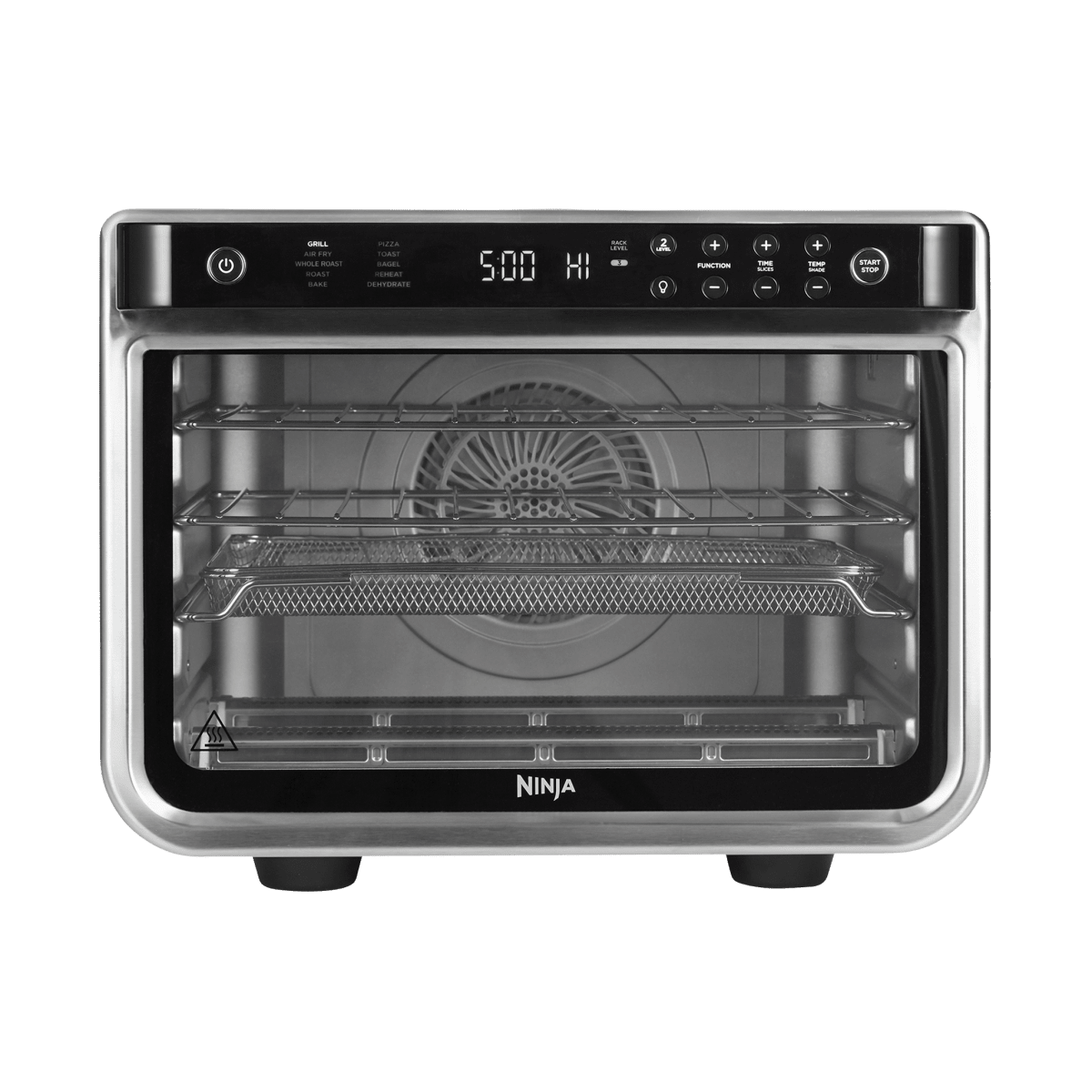
Ninja Foodi 10-in-1 Multifunction Oven in Silver/Black
 25% OFF
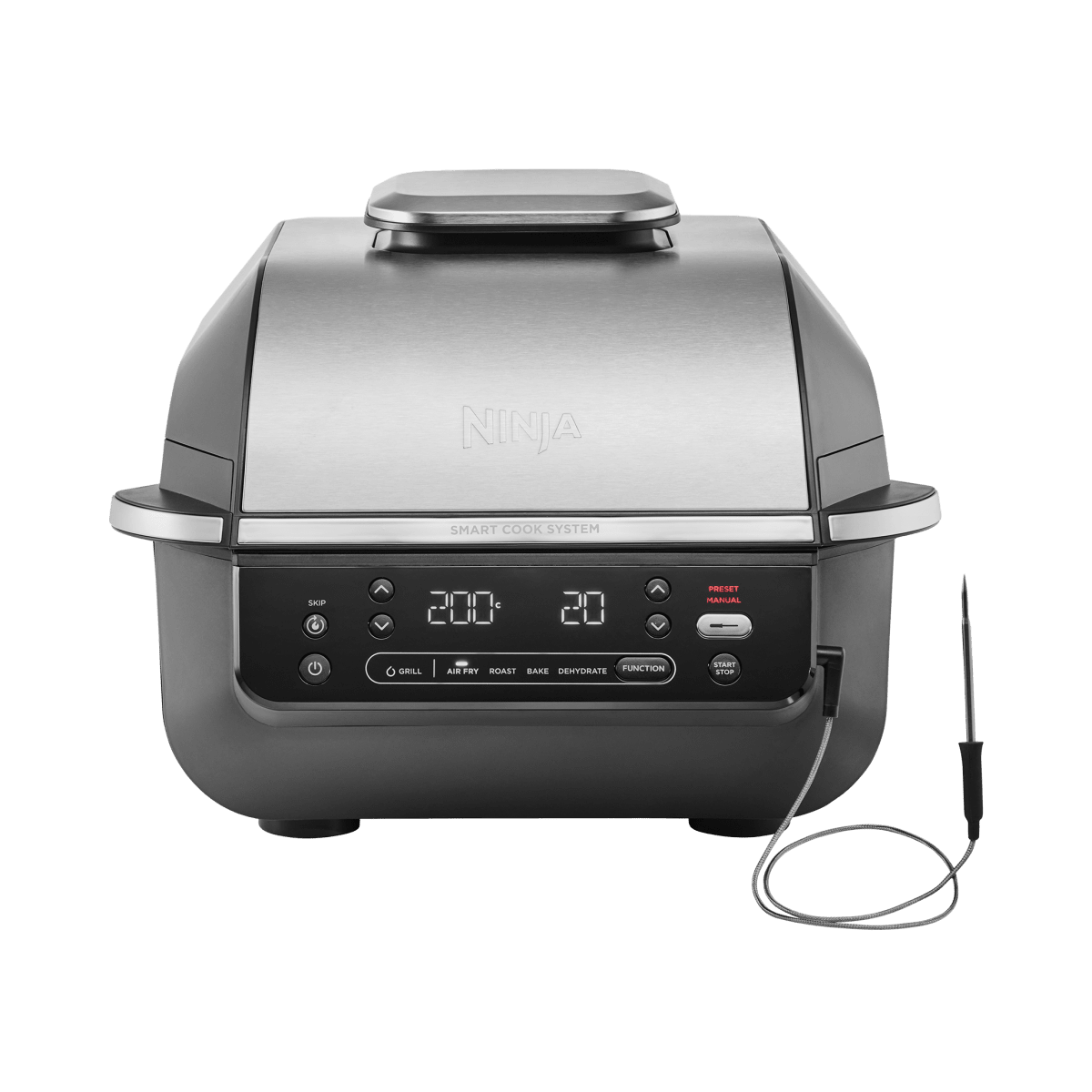
Ninja 5-in-1 Grill & Air Fryer in Black/Silver
 27% OFF
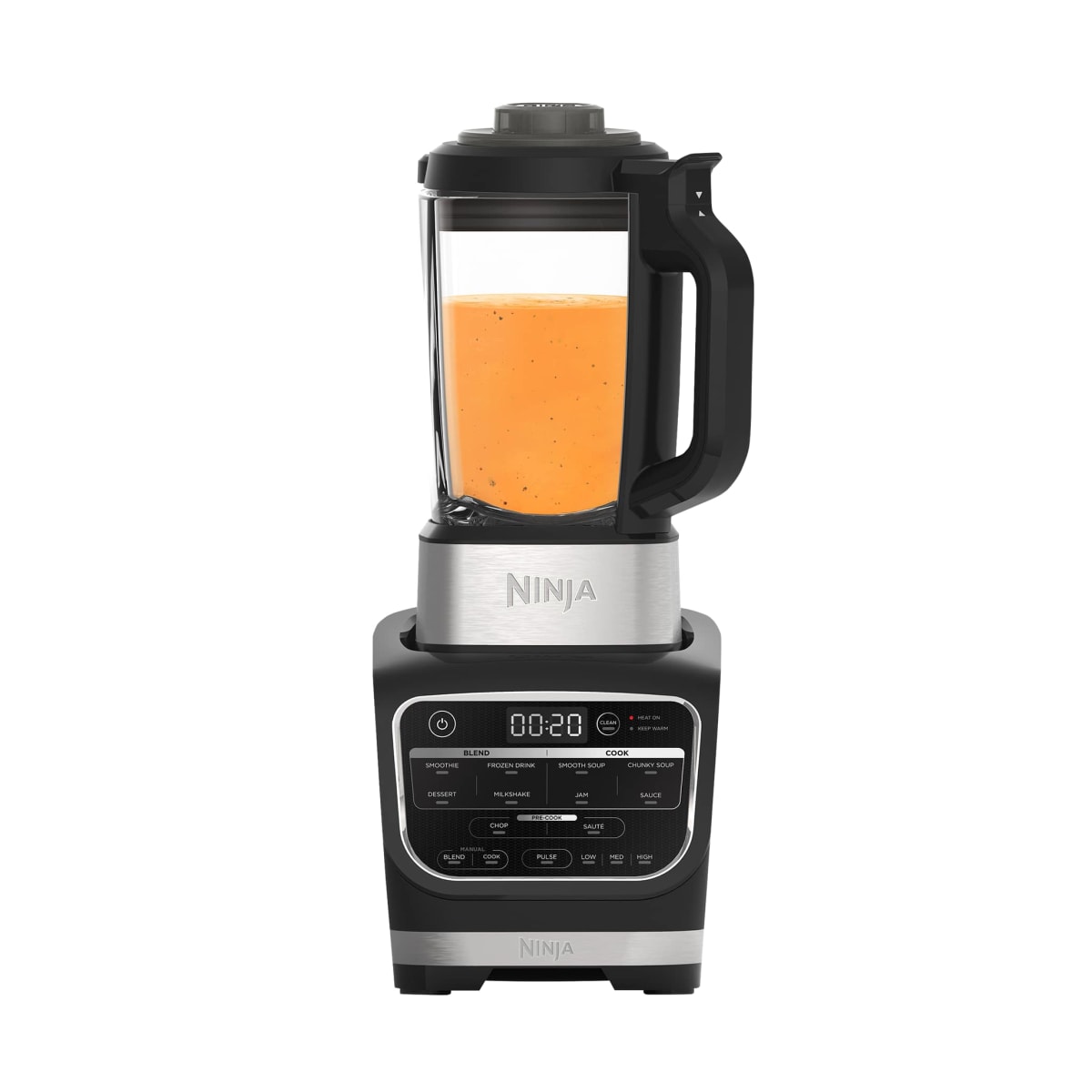
Ninja Foodi Blender & Soup Maker in Black
 30% OFF
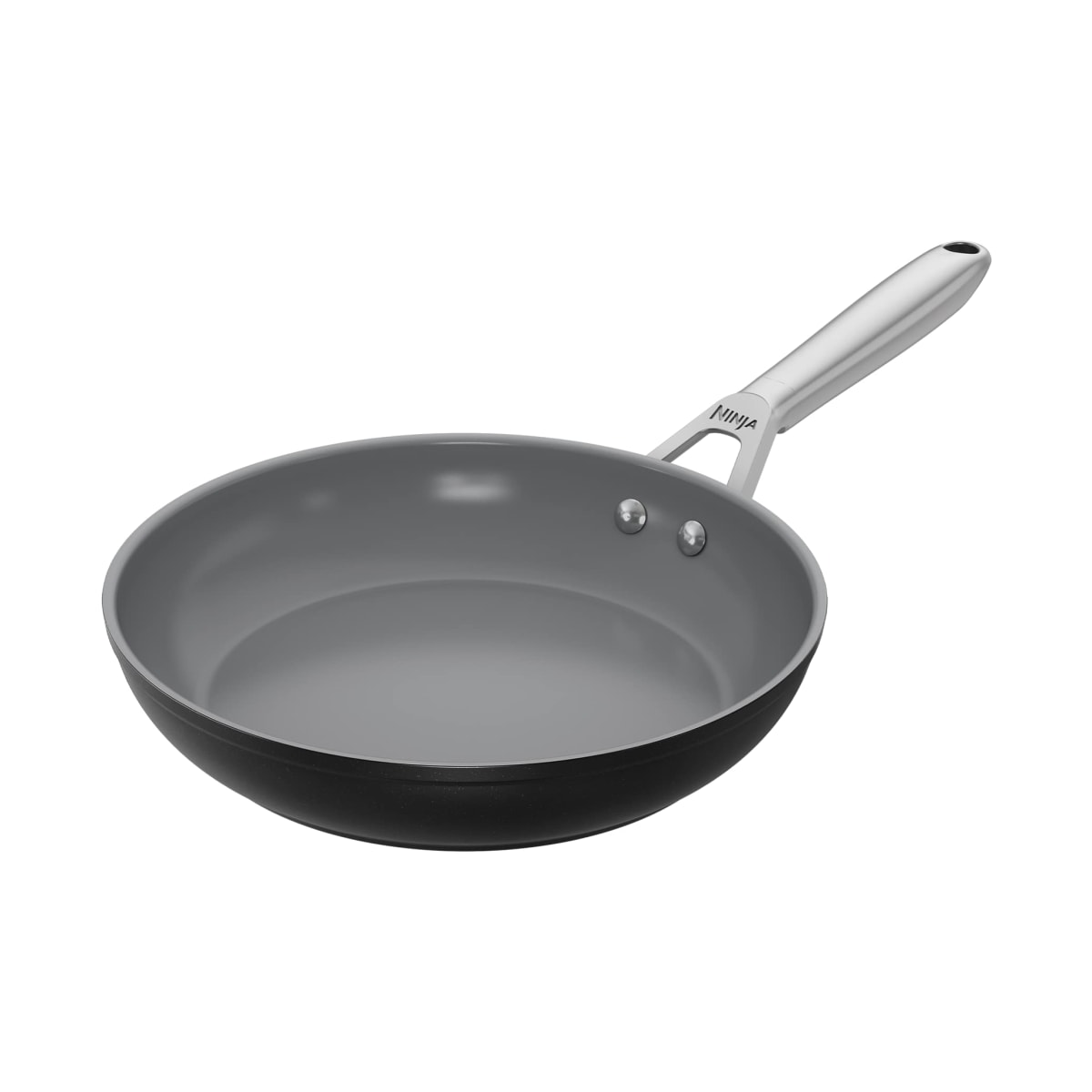
Ninja ZEROSTICK Ceramic Pro 28 cm Frying Pan – Black CW30028UK
 32% OFF
Ninja ZEROSTICK Ceramic Pro 24 cm Frying Pan – Black CW30024UK
How this page is made: the price figures above come from 4 months of prices we’ve tracked ourselves across UK retailers — first-party data, not retailer-supplied. Savings and verdicts are calculated from that history using our scoring method. We refresh the data continuously and rewrite the analysis when the picture materially changes.