Best Blender Deals UK 2026
If you want to know what a blender genuinely costs in the UK — not what a retailer claims it was worth before a sale, but what it has actually sold for over time — this page draws on price history we have tracked ourselves across a range of models. The figures in the data band above reflect both that historical record and live current pricing, giving you a grounded basis for judging whether a deal today is worth acting on or simply noise.
Across 5 months we've tracked 33 blender product lines — here's what the price data shows.
What we've tracked
Plus 29 more product lines tracked, ranging £40–£200.
How to choose the right blender
The first thing to settle is the form factor, because it shapes almost everything else: a full-size jug blender suits high-volume work like soups and smoothie batches, a hand blender offers flexibility and easy cleaning for smaller households, and a personal or portable blender prioritises convenience over capacity. Marketing tends to lead with motor wattage, but raw wattage is a poor guide to real-world performance — blade geometry, jar shape, and the quality of the seal matter just as much in practice. It is worth being clear-eyed about how you will actually use a blender day to day; buyers who overestimate their batch-cooking ambitions often end up better served by something compact, and those who routinely make nut butters or crush ice need genuinely robust build quality rather than just a high headline number. Models like the Ninja Foodi 3-in-1 Hand Blender, Mixer & Chopper illustrate how versatility is increasingly packaged into a single unit — which is useful if you genuinely need those extra functions, but represents poor value if you only need one of them.
On pricing, the blender category is particularly prone to inflated reference prices — the kind where a retailer posts an eye-catching discount against a "was" figure that the product rarely if ever sold at. This is exactly where tracked price history earns its keep. The price data above lets you compare what a model costs right now against the real range it has traded across, so you can judge whether a current price represents a genuine dip or simply a return to a price it sits at much of the time. Portable models such as the Ninja Blast Cordless Portable Blender and the Ninja Blast Max Portable Blender are a useful illustration here: they sit at a price point that sees regular promotional activity, which means the headline discount percentage can look substantial even when the actual saving against typical trading price is modest. The Ninja BlendBOSS Tumbler Blender occupies a slightly different space as a hybrid tumbler format — worth considering if you want something between a personal blender and a full countertop machine, but again, the figures shown are the honest measure of whether its current price reflects real value.
Who should look elsewhere
If your primary need is serious food preparation beyond blending — chopping vegetables, kneading dough, or slicing — a dedicated food processor is likely a more honest fit than any blender, however multi-functional its marketing. Similarly, buyers on a tight budget who simply need occasional blending for smoothies may find that the tracked range shown here skews towards mid-range and branded models; it is a partial snapshot of the market, and more affordable options from less prominent brands do exist outside our tracked set and may suit occasional use well enough without the added outlay. And if what you are really after is a coffee or espresso machine that happens to also blend, that is a different product category entirely — one where buying a blender as a compromise tends to disappoint on both fronts.
Frequently Asked Questions
The price data on this page shows the tracked range for blenders currently available, from compact personal blenders through to high-powered countertop models. The figures in the band above reflect real UK retail prices across the tracked products, so you can see at a glance what you should reasonably expect to pay.
Our tracked history reveals that blenders do see meaningful price reductions compared with their higher recorded prices, and the figures in the band above show the gap between the current price and the ceiling we have observed. Checking the tracked range shown gives you a clear sense of how much headroom exists before a blender is genuinely cheaper than usual.
The price data on this page shows where today's prices sit relative to the lowest and highest points we have recorded for each tracked blender, so you can judge whether current listings are closer to the floor or the ceiling. If the current price is near the lower end of the tracked range shown, that is a reasonable signal to buy rather than wait.
Our tracked history reveals that blenders follow patterns tied to major retail events, and the tracked range shown reflects the low points we have captured over time for each model. Reviewing the figures in the band above will show you how close current prices are to those historic lows, which is more reliable than guessing by season alone.
The figures in the band above display the lowest price we have recorded for each tracked blender, giving you a concrete floor to compare against today's listings. If a retailer is advertising a sale, you can check that recorded low directly on this page to see whether the current offer genuinely undercuts it.
Our tracked history reveals the actual price a blender has sold at over time, which exposes the common tactic of raising a price shortly before a promotional cut to make the discount look larger than it is. Cross-referencing any advertised saving against the tracked range shown on this page will tell you whether that so-called deal represents a real reduction or simply a return to the normal asking price.
Current Live Deals
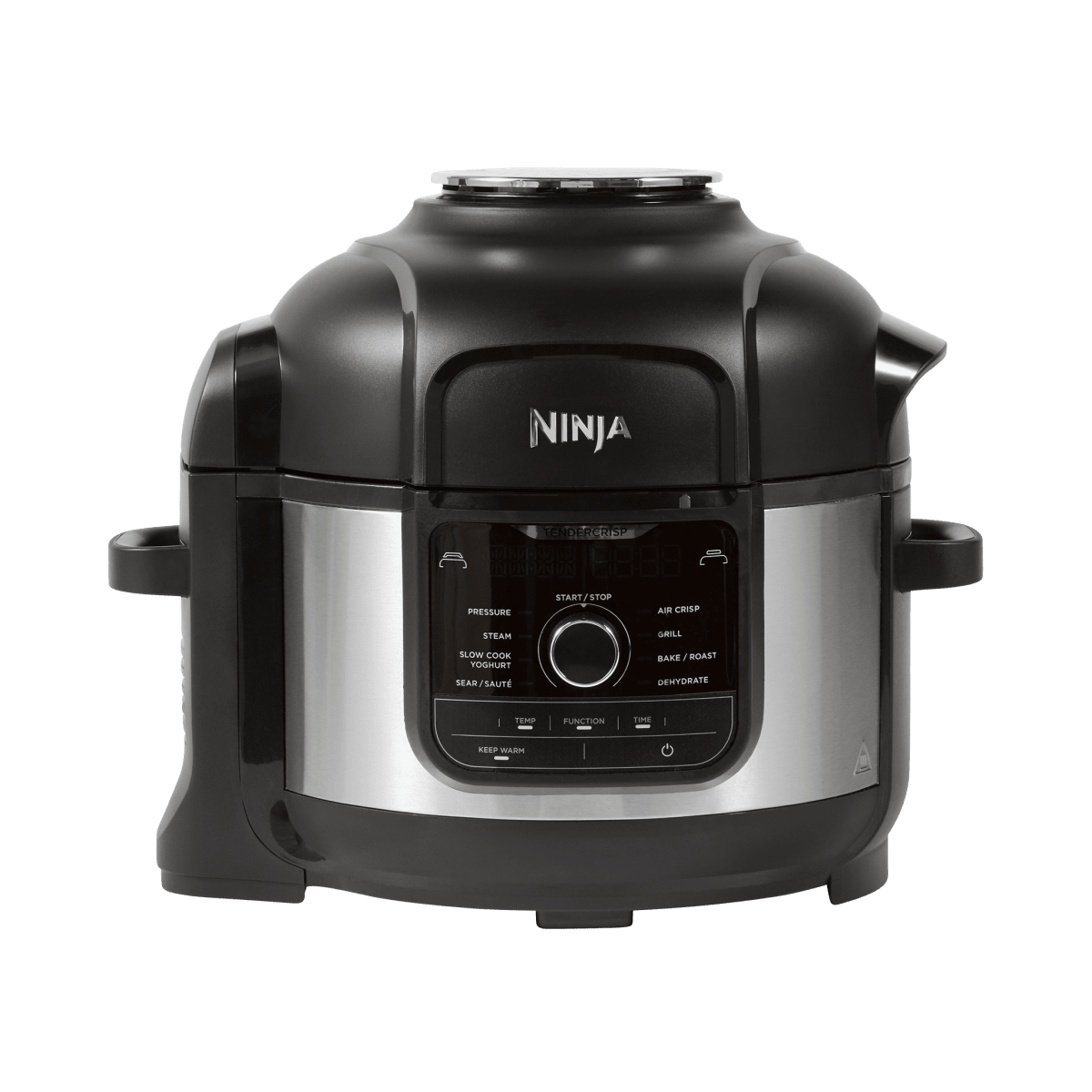 39% OFF
Ninja Foodi 9-in-1 Multi-Cooker 6L in Black/Silver
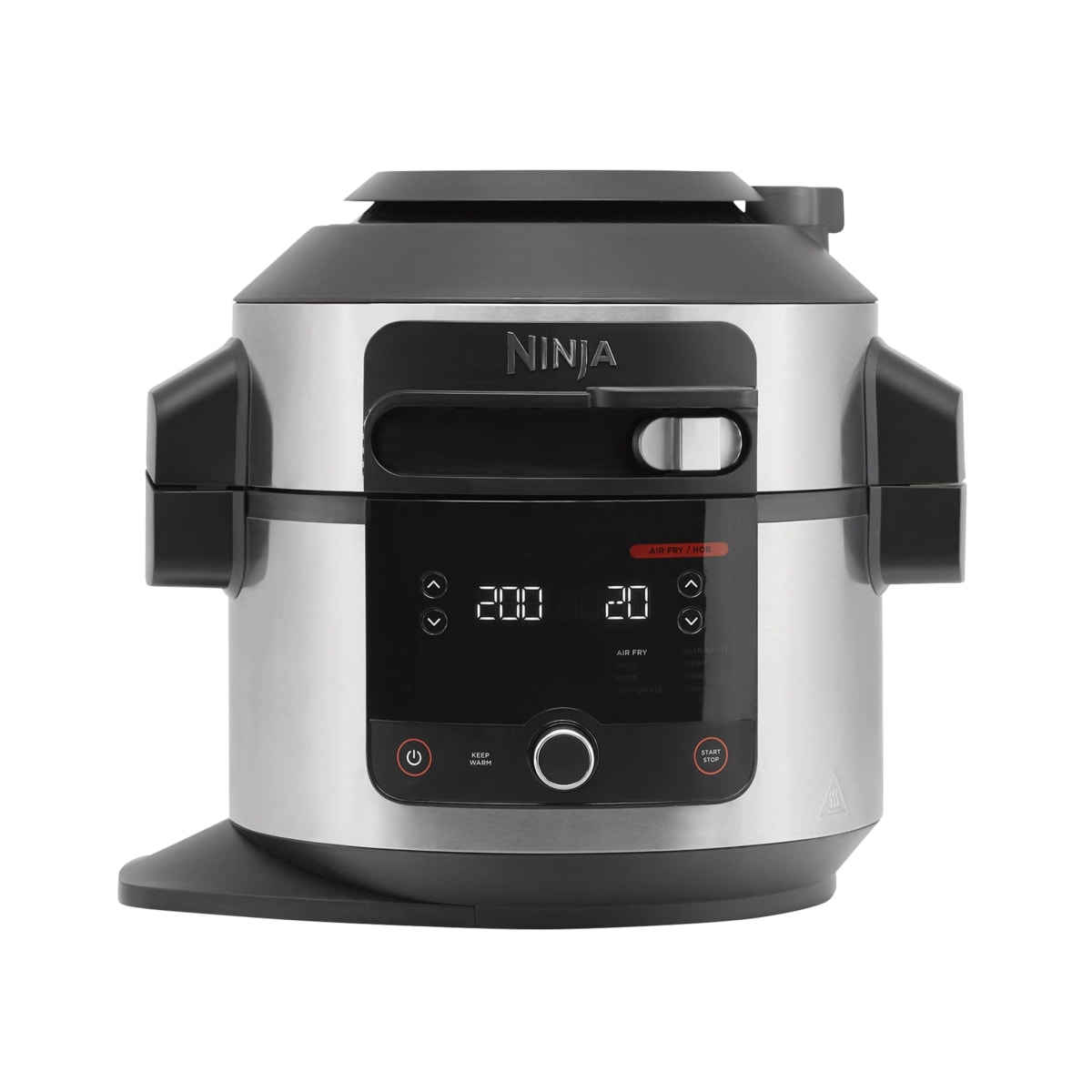 28% OFF
Ninja Foodi 11-in-1 SmartLid Multi-Cooker 6L in Black/Silver
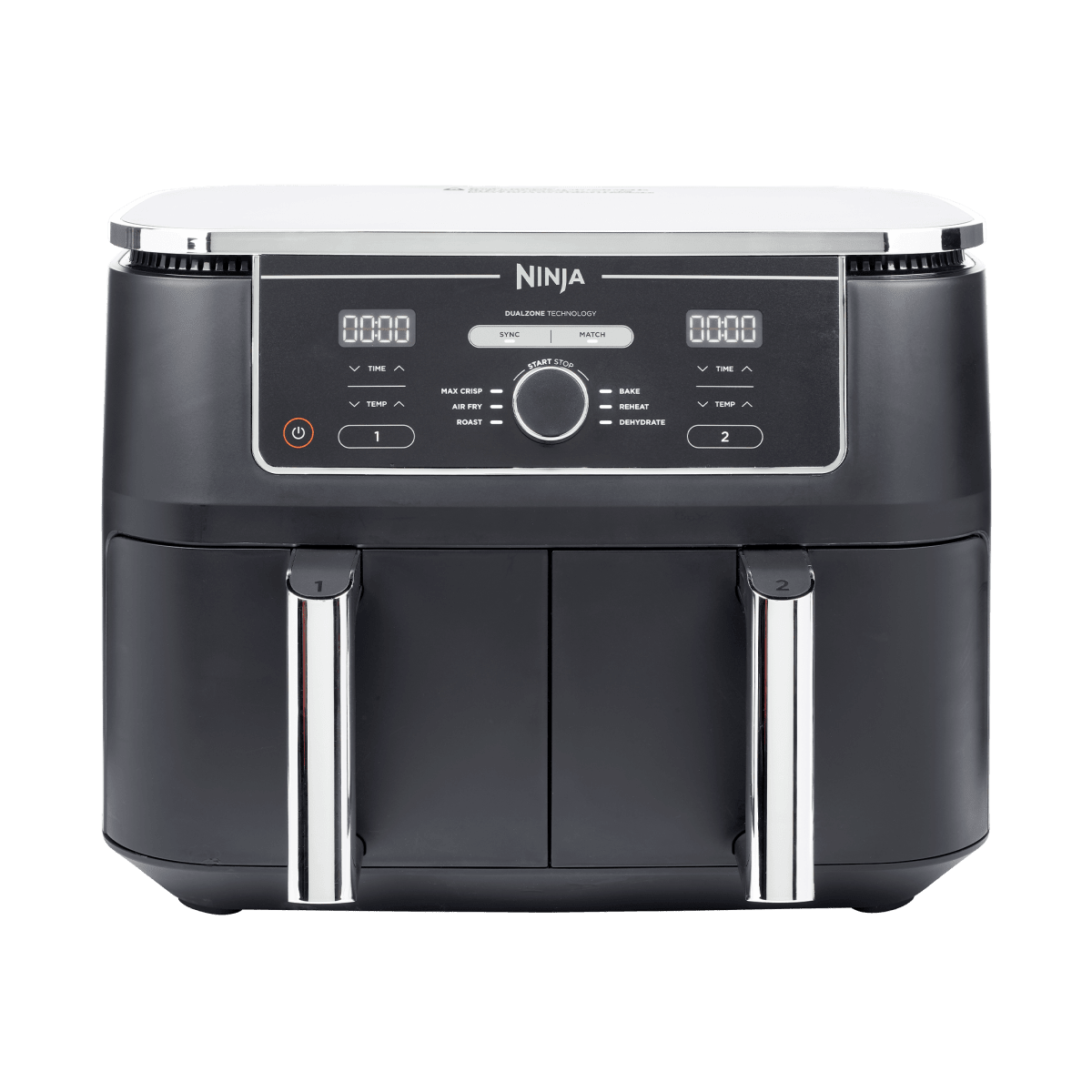 21% OFF
Ninja Foodi MAX Dual Zone Air Fryer in Black
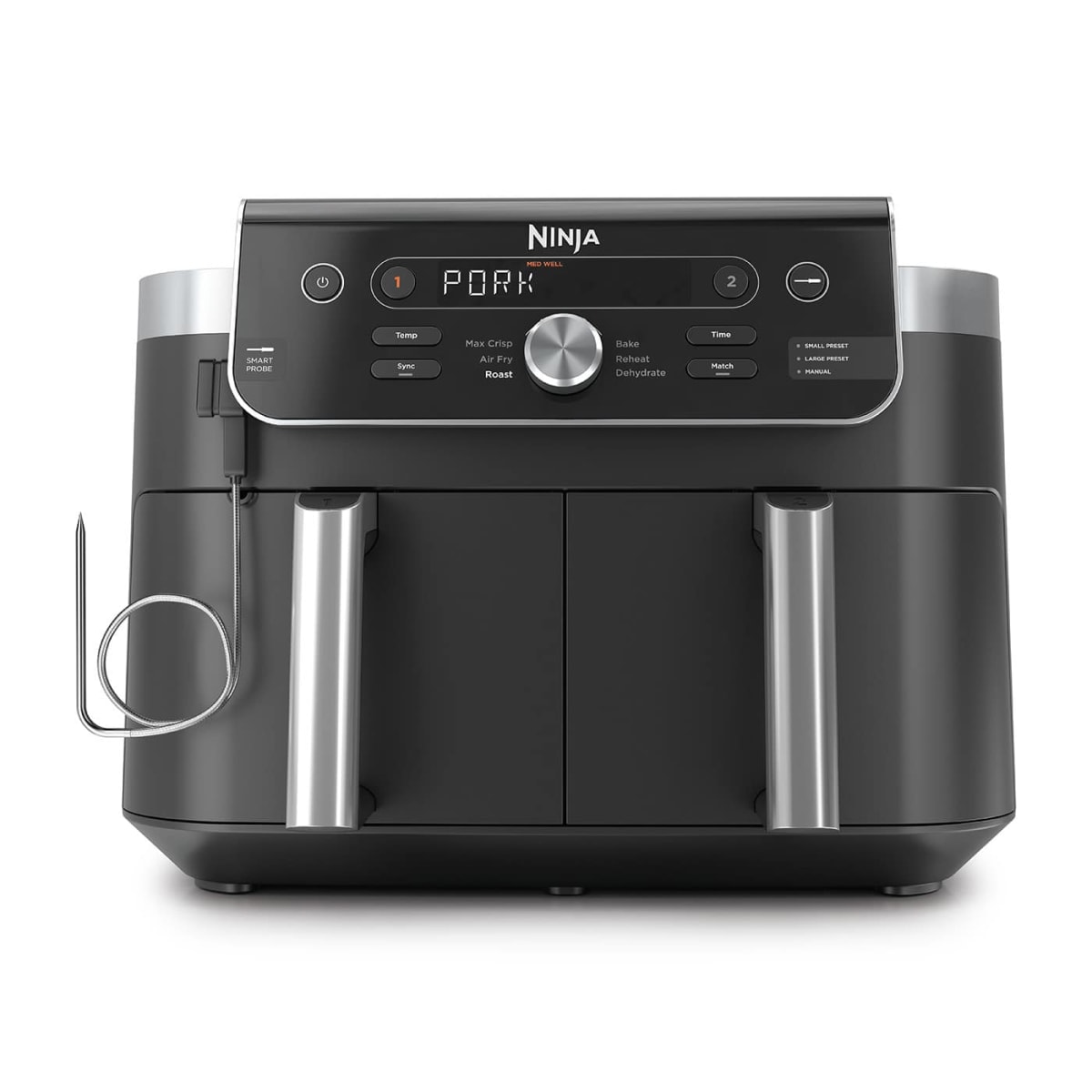 20% OFF
Ninja DualZone XL 9.5L 2-Drawer Air Fryer in Black
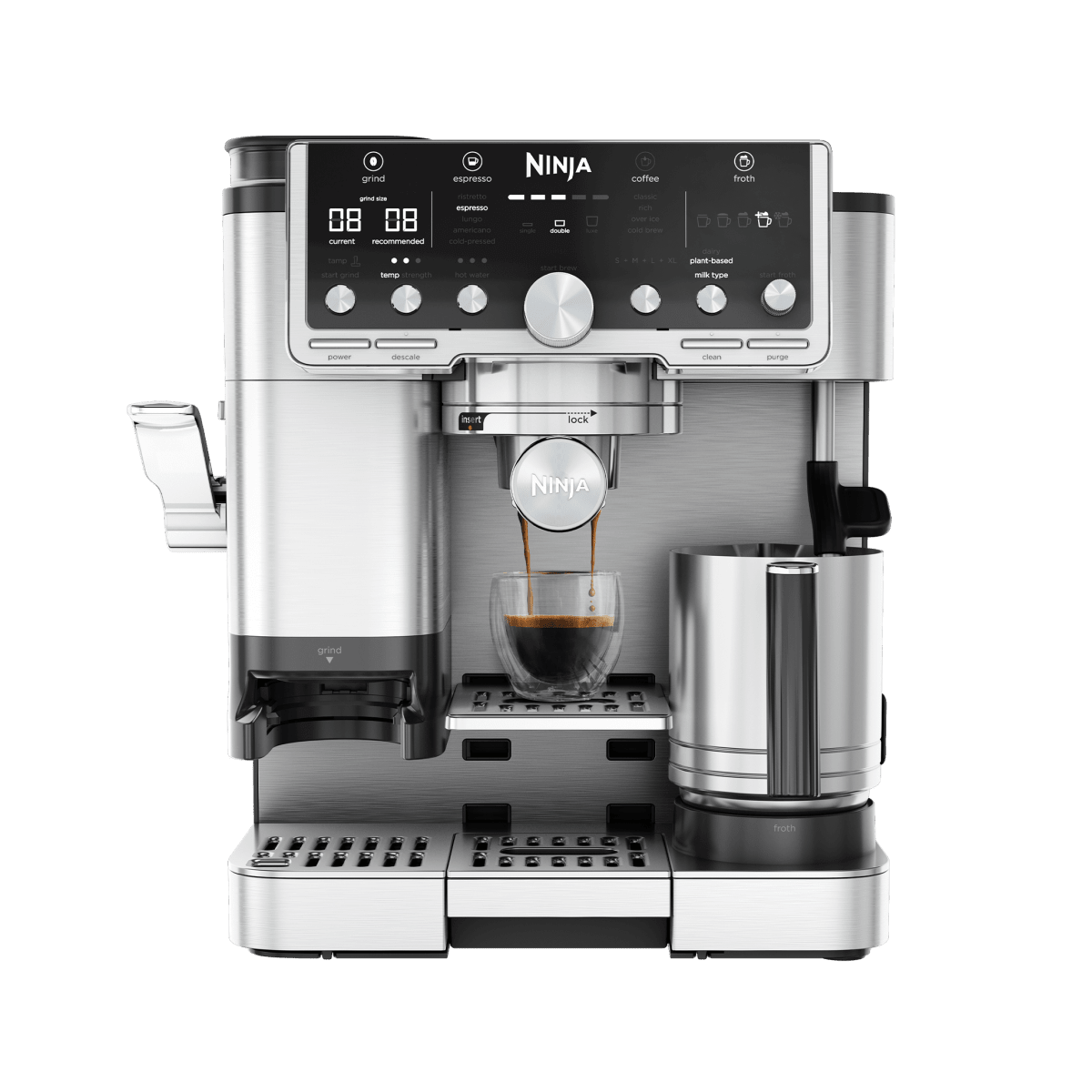 21% OFF
Ninja Luxe Café Pro Series ES701UK
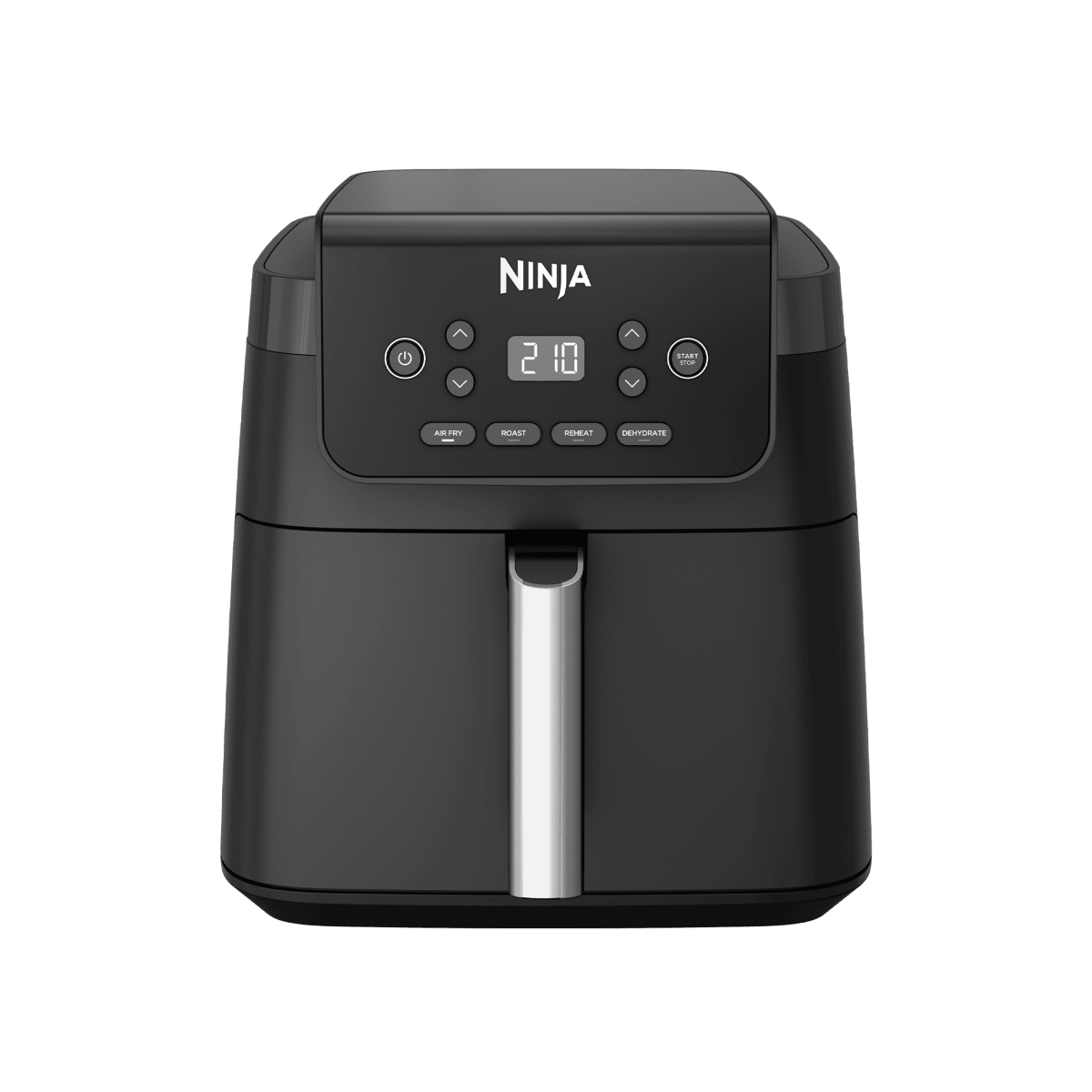 23% OFF
Ninja Air Fryer MAX 6.2L AF170UK
How this page is made: the price figures above come from 5 months of prices we’ve tracked ourselves across UK retailers — first-party data, not retailer-supplied. Savings and verdicts are calculated from that history using our scoring method. We refresh the data continuously and rewrite the analysis when the picture materially changes.