Best Beauty & Grooming Deals UK 2026
If you've ever wondered whether a sale price on skincare, haircare, or grooming tools is genuinely good value or simply a retailer repackaging the usual price in different clothing, this page is built to answer that. We track prices on beauty and grooming products ourselves, over time, so the figures shown in the band above reflect real movement — not a snapshot, not a press release, but an honest picture of where prices have been and where they sit right now.
Across 6 months we've tracked 42 beauty & grooming product lines — here's what the price data shows.
What we've tracked
Plus 41 more product lines tracked, ranging £35–£500.
How to choose what to buy in Beauty & Grooming
Beauty and grooming is a category where marketing does an enormous amount of heavy lifting, and the gap between what a product claims to do and what it reliably delivers is often wider than the price tag suggests. The first thing worth discounting is the language of transformation: words like "salon-worthy", "clinically proven", and "professional-grade" appear so freely across price points that they have almost lost meaning. What tracked price history can actually tell you is whether a product holds a consistent value at its everyday price or whether its apparent discount is manufactured — a higher reference price set briefly before a perpetual "sale". For higher-ticket tools in particular, this distinction matters enormously. The Shark Glossi 2-in-1 Hot Tool and Air Glosser, for instance, is the kind of multi-function styling device that retailers promote heavily during key sale periods, which makes it worth checking the tracked history above before assuming a featured deal represents a genuine low.
The most common mistake buyers make in this category is conflating product complexity with product quality. A ten-step routine, a device with numerous attachments, or a formula with a long ingredient list can all feel like evidence of value — but simplicity often performs better on a per-use cost basis, particularly in skincare and grooming consumables where premium packaging adds cost without adding efficacy. Equally, buyers tend to underestimate how much brand positioning inflates prices on functionally similar products. When you compare what the price data above shows for tracked tools and treatments, the pattern that emerges most often is that the category rewards patience: prices on durable items move meaningfully across the year, and the spread between a product's high and its genuine low is typically substantial enough to make timing a purchase worth the wait.
Who should look elsewhere
If you need something immediately — a replacement for a broken tool before an event, or a skincare staple you've simply run out of — then price-tracking is of limited use to you right now, and it's worth being straightforward about that. Equally, if your priorities sit at either extreme of the market, this page may not serve you fully: buyers seeking entry-level own-brand alternatives from supermarkets or chemists, or those shopping at the very top of the professional and luxury end, will find the tracked range shown here covers only a portion of what's available. We track a curated set of products, not the entire category, and the honest answer is that the right choice for a buyer focused on a specific skin concern, hair type, or professional-grade specification may sit outside what we currently monitor. In those cases, the principles around reading pricing patterns still apply — but you may need to do some of that tracking work yourself, or cross-reference with other sources.
Frequently Asked Questions
Electric grooming tools such as shavers, hair dryers, and straighteners show the most frequent price movement in our tracked history, alongside branded skincare sets and fragrance. The tracked products listed on this page give a clear view of which specific items are currently sitting below their usual range.
The figures in the data band above show the gap between the highest and lowest tracked prices for products in this category, which is often substantial on premium tools and branded cosmetics. Checking the tracked range shown before you buy tells you immediately whether the current listing price is close to its floor or its ceiling.
Our tracked price history reveals that grooming tools and skincare ranges see notable drops during major retail events, and fragrance and gift sets tend to shift in price around gifting seasons — though the timing varies by retailer. Rather than guessing, the price data on this page shows whether a product is currently at a low point in its recorded history.
Retailers in this category sometimes raise a reference price briefly before discounting, making a modest reduction look far larger than it is — a practice that is particularly common with hair tools and skincare bundles. The tracked history on this page shows what a product has actually sold for over time, so you can judge a claimed discount against real data rather than a retailer's own benchmark.
Premium and prestige brands see the widest absolute price swings, but mid-range and own-label products do fluctuate, particularly when supermarkets and online retailers compete on the same lines. The tracked products listed on this page span multiple price tiers, so the data band reflects movement across the category rather than just the top end.
Electric grooming tools tend to hold a stable retail price for longer periods then drop sharply, whereas consumable products such as moisturisers and shampoos shift more gradually in response to promotions and multipack offers. The tracked range shown on this page captures both patterns, so you can see at a glance whether a product's current price reflects a short-term dip or a broader downward trend.
Current Live Deals
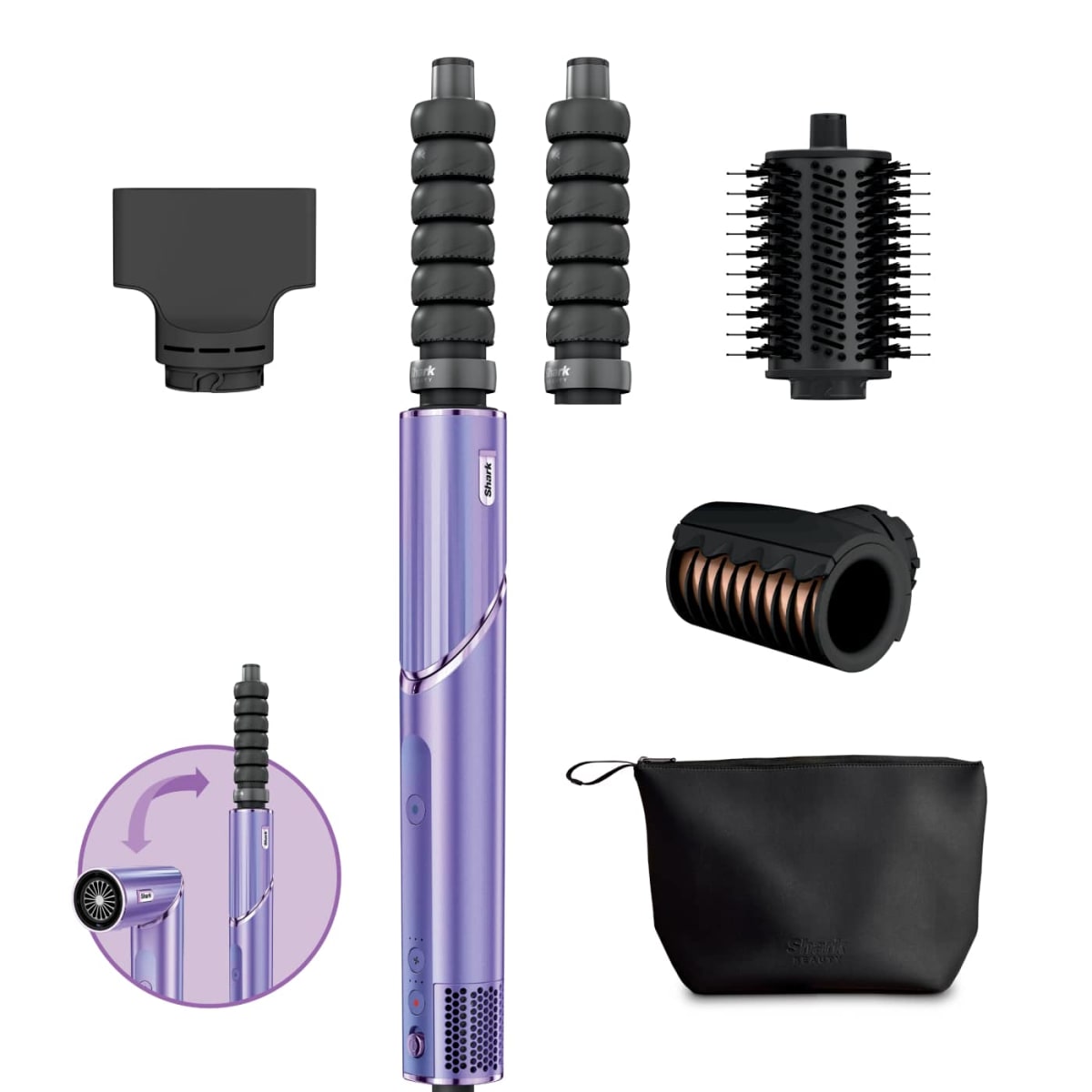 22% OFF
Shark FlexStyle Air Styler & Hair Dryer in Orchid Sunrise
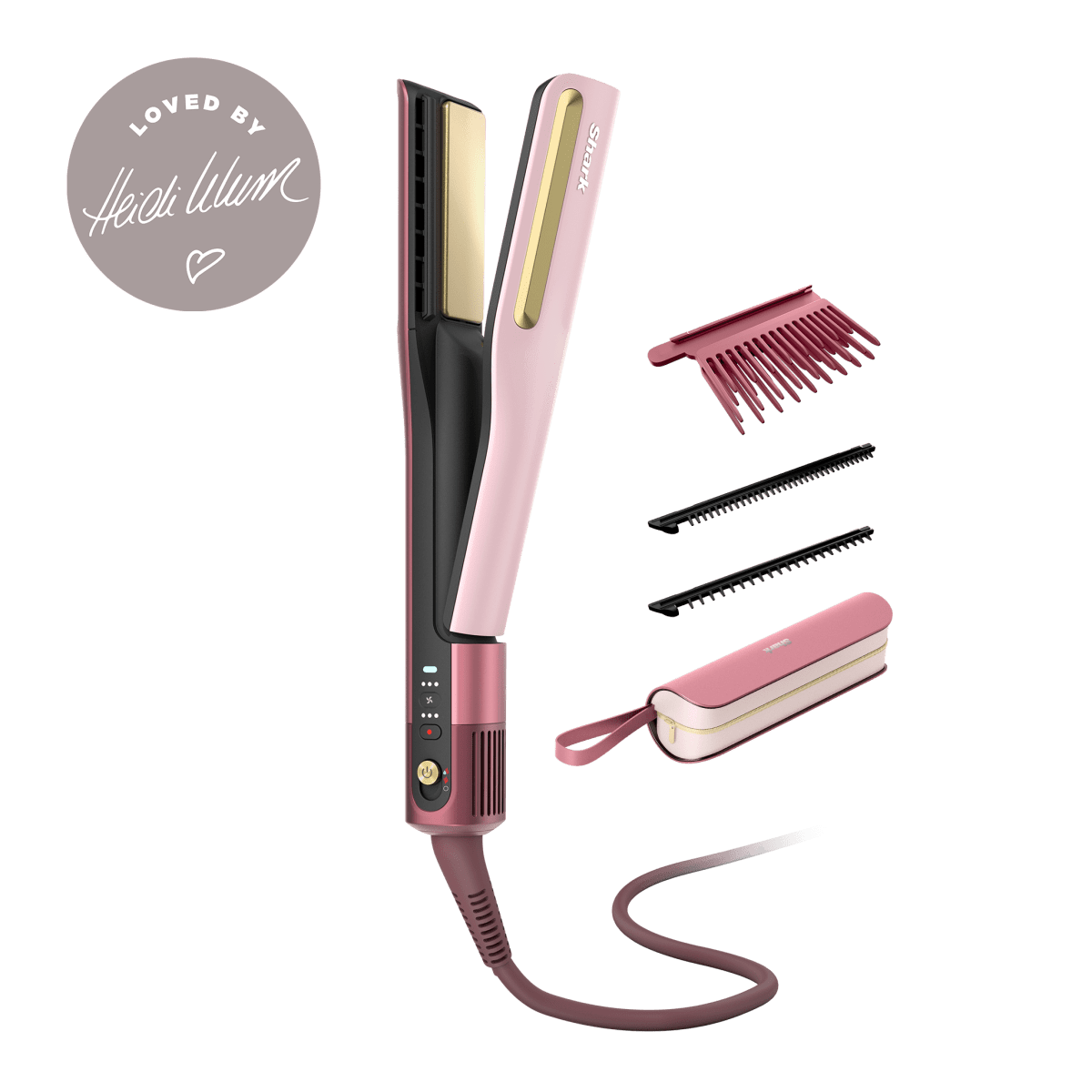 20% OFF
Shark SilkiPro Hair Straightener & Dryer- in Rose Petal
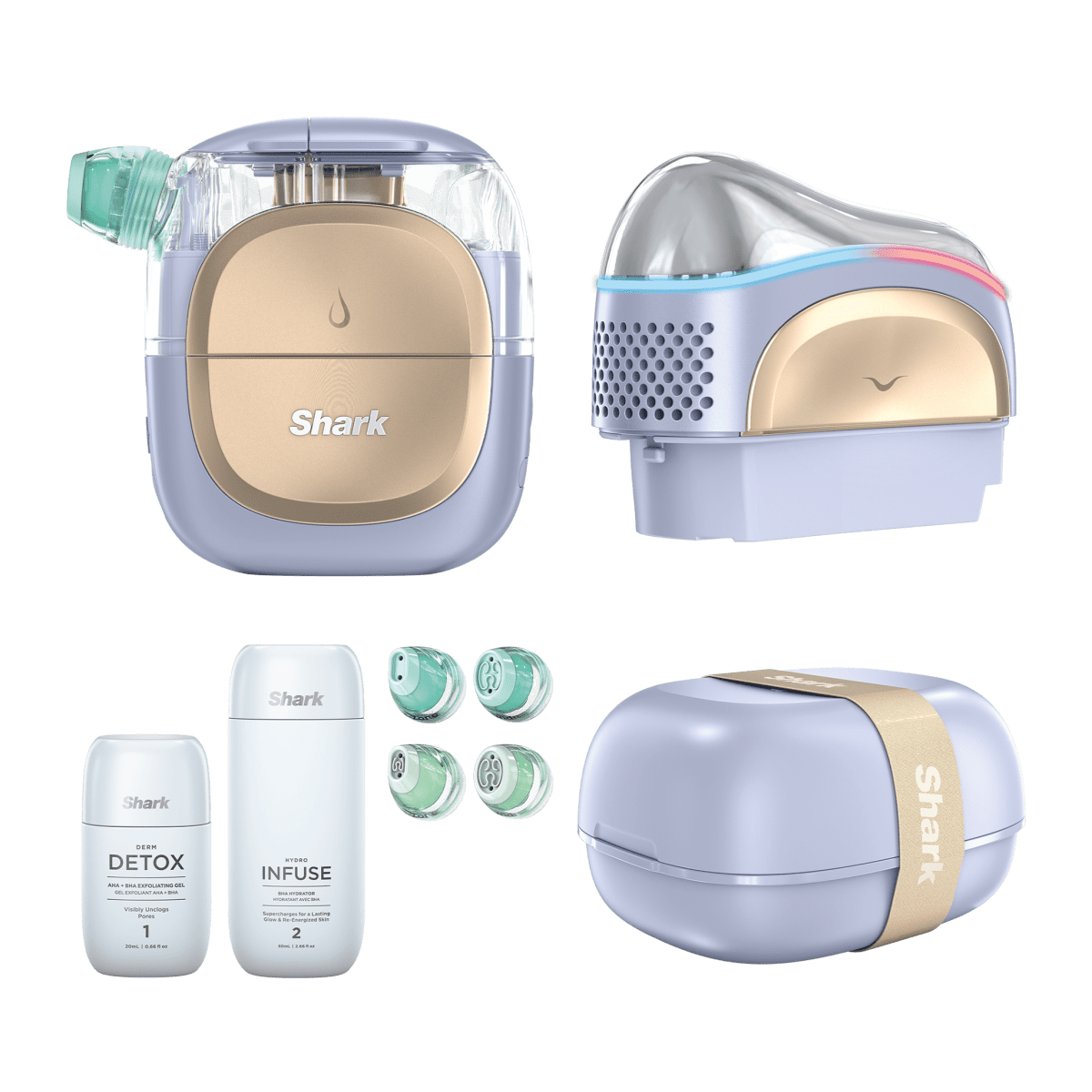 14% OFF
Shark FacialPro Glow + Derm Detox & Hydro Infuse Replenishment Set in Spa Purple
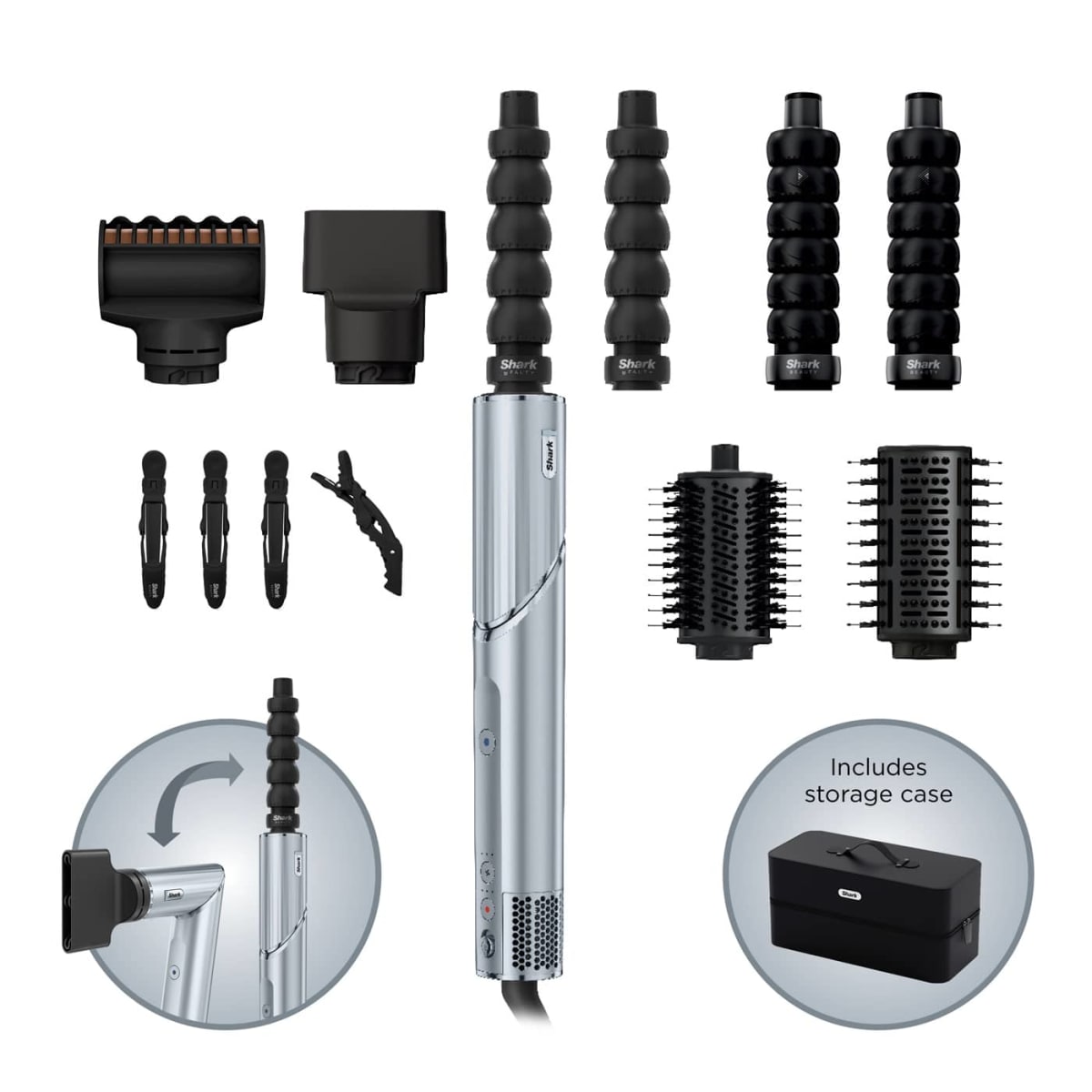 33% OFF
Shark FlexStyle Air Styler & Hair Dryer - Limited Edition Glacial Blue HD476WHUK
 29% OFF
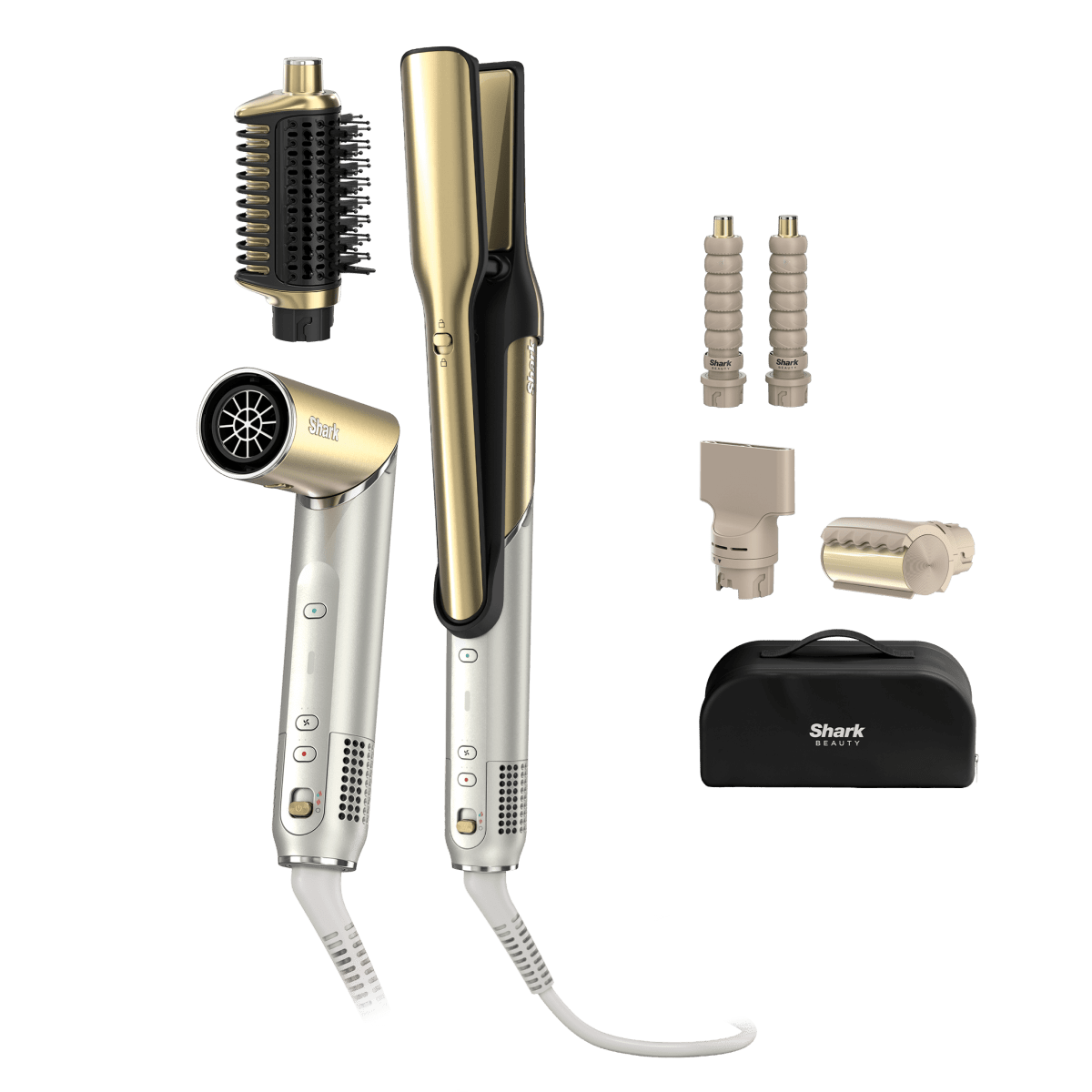
Shark Glam Ceramic & Air Styling and Drying System with FrizzFighter HD6051SUK
 23% OFF
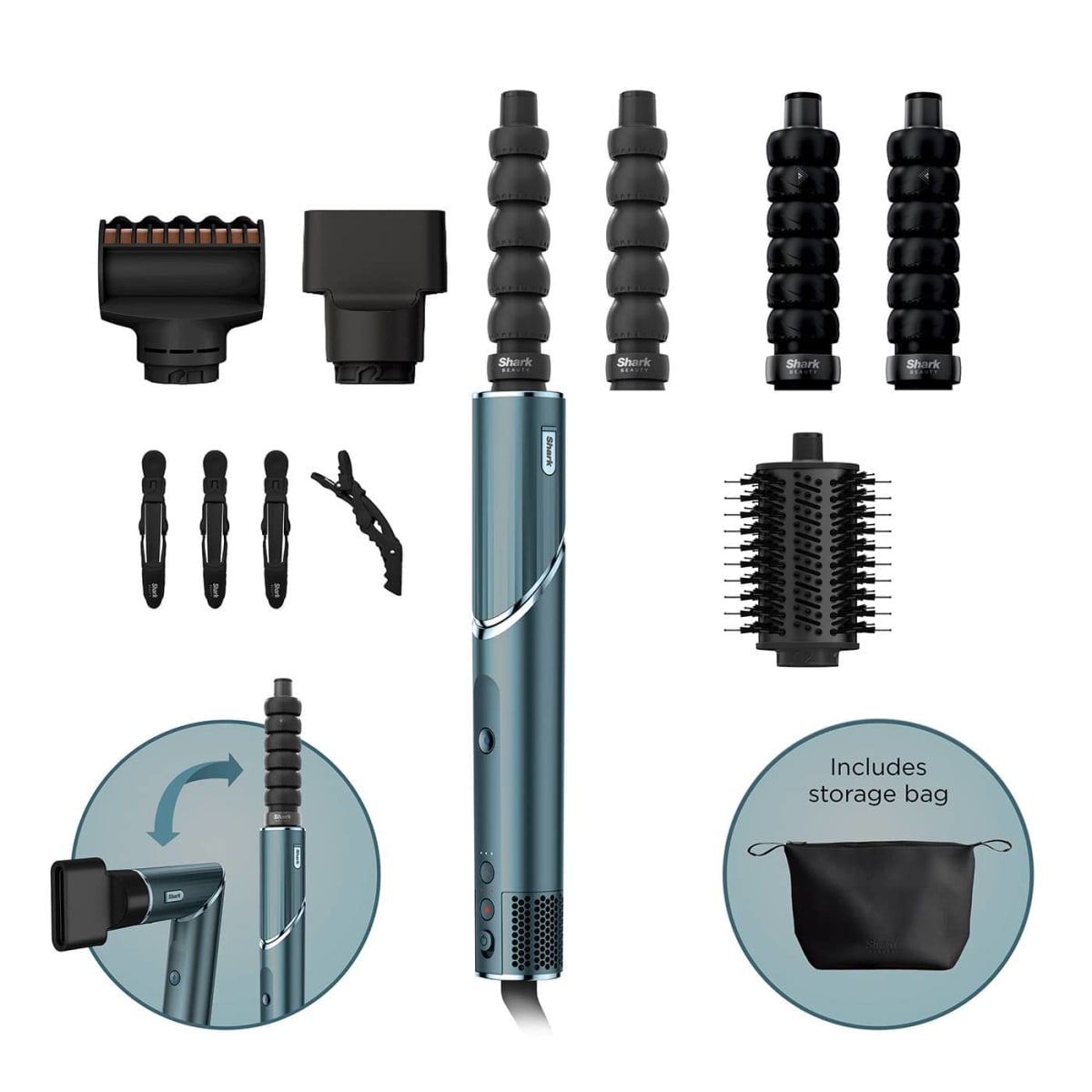
Shark FlexStyle 5-in-1 Air Styler & Hair Dryer - Teal HD456TLUK
How this page is made: the price figures above come from 6 months of prices we’ve tracked ourselves across UK retailers — first-party data, not retailer-supplied. Savings and verdicts are calculated from that history using our scoring method. We refresh the data continuously and rewrite the analysis when the picture materially changes.